
✦ The education hub
What is the loop?
Your food scraps become soil. That soil grows food on Miami-Dade farms. That food comes back to you.
Stay in the loop
Dig in.
Plain guides from the people running the route. Pick your side of the loop.
-
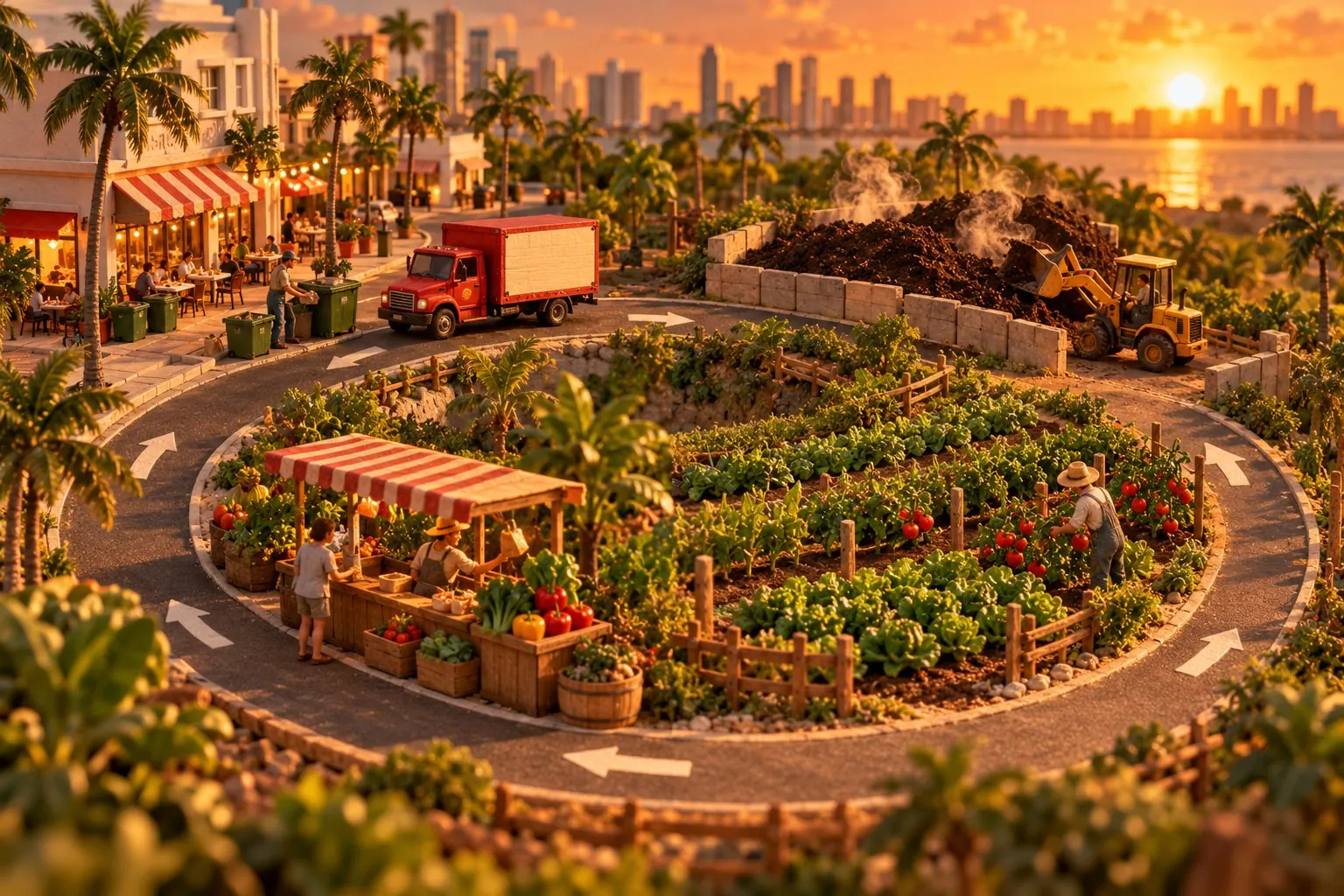 For everyone
What Is the Loop? How Food Scraps Become Local Food
Food scraps don't have to end in a landfill. Here is how the loop turns kitchen waste into compost, compost into crops, and crops back into dinner in Miami-Dade.
-
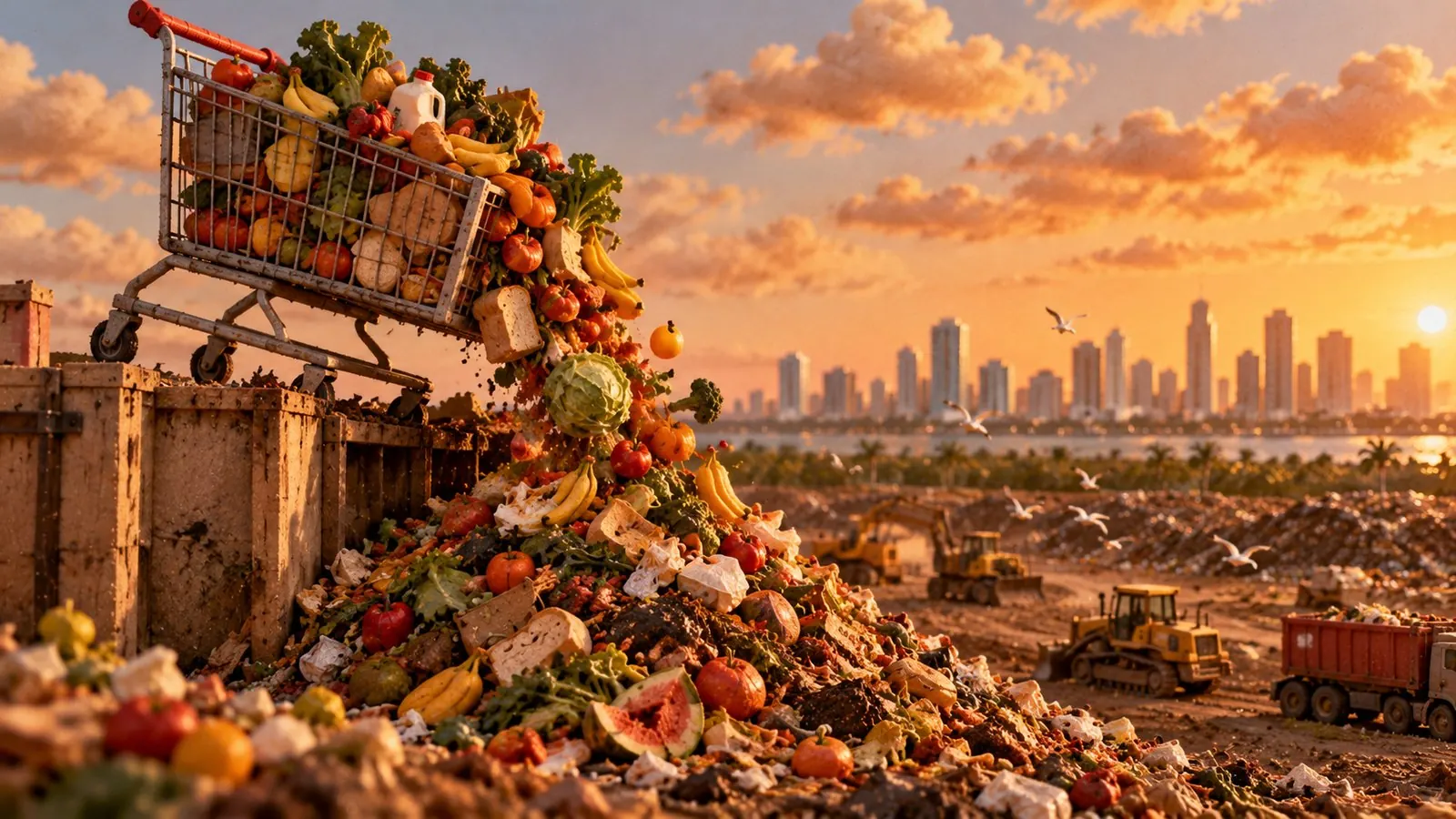 For everyone
How Much Food Does America Waste?
America ends up with tens of millions of tons of surplus food every year. Here is where it comes from, where it goes, and the part businesses can fix fastest.
-
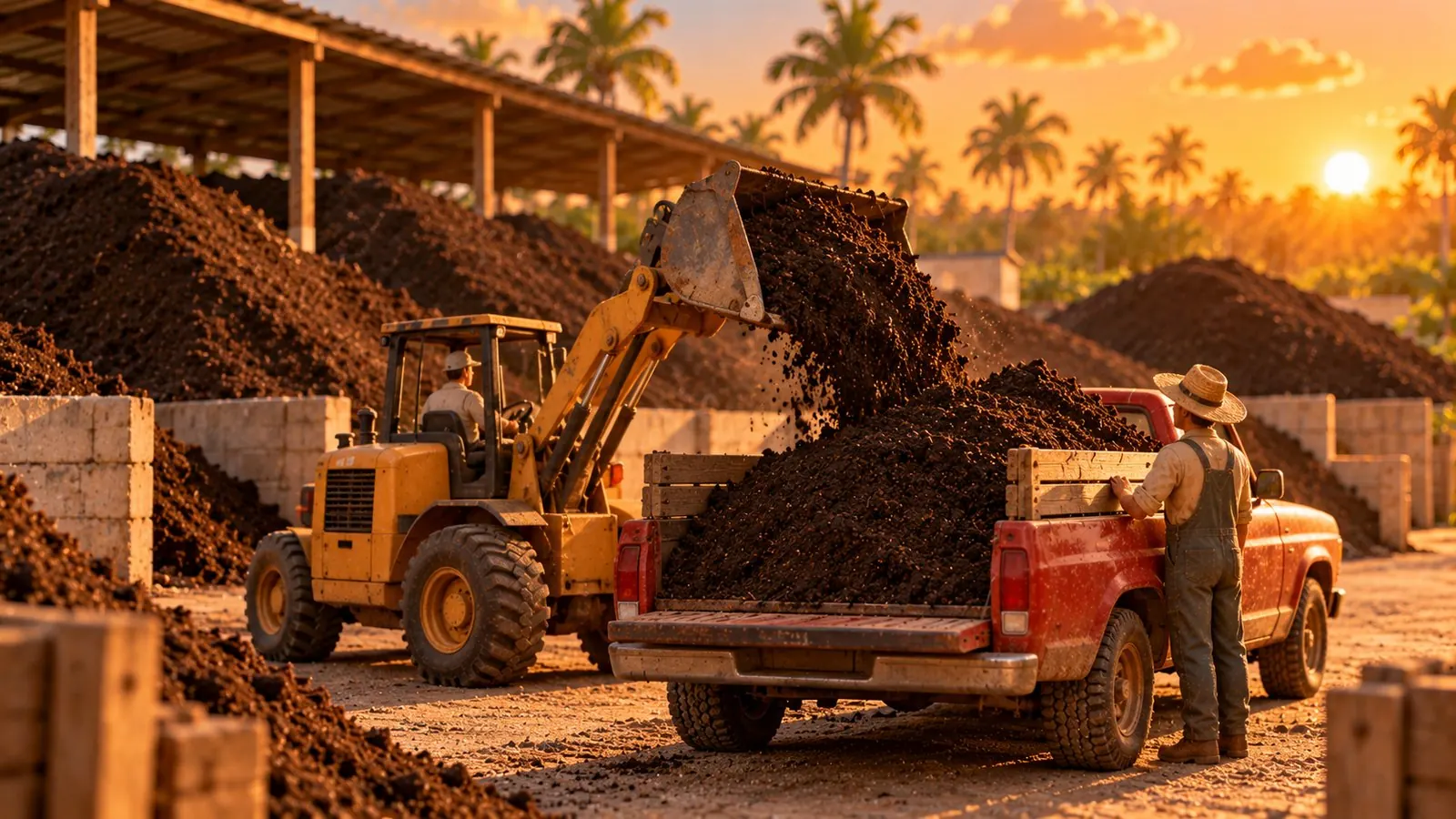 For farmers
How to Buy Compost in Bulk
Buying compost by the yard is simple once you know four things: how much you need, what is in it, how it was made, and how it gets to your field.
-
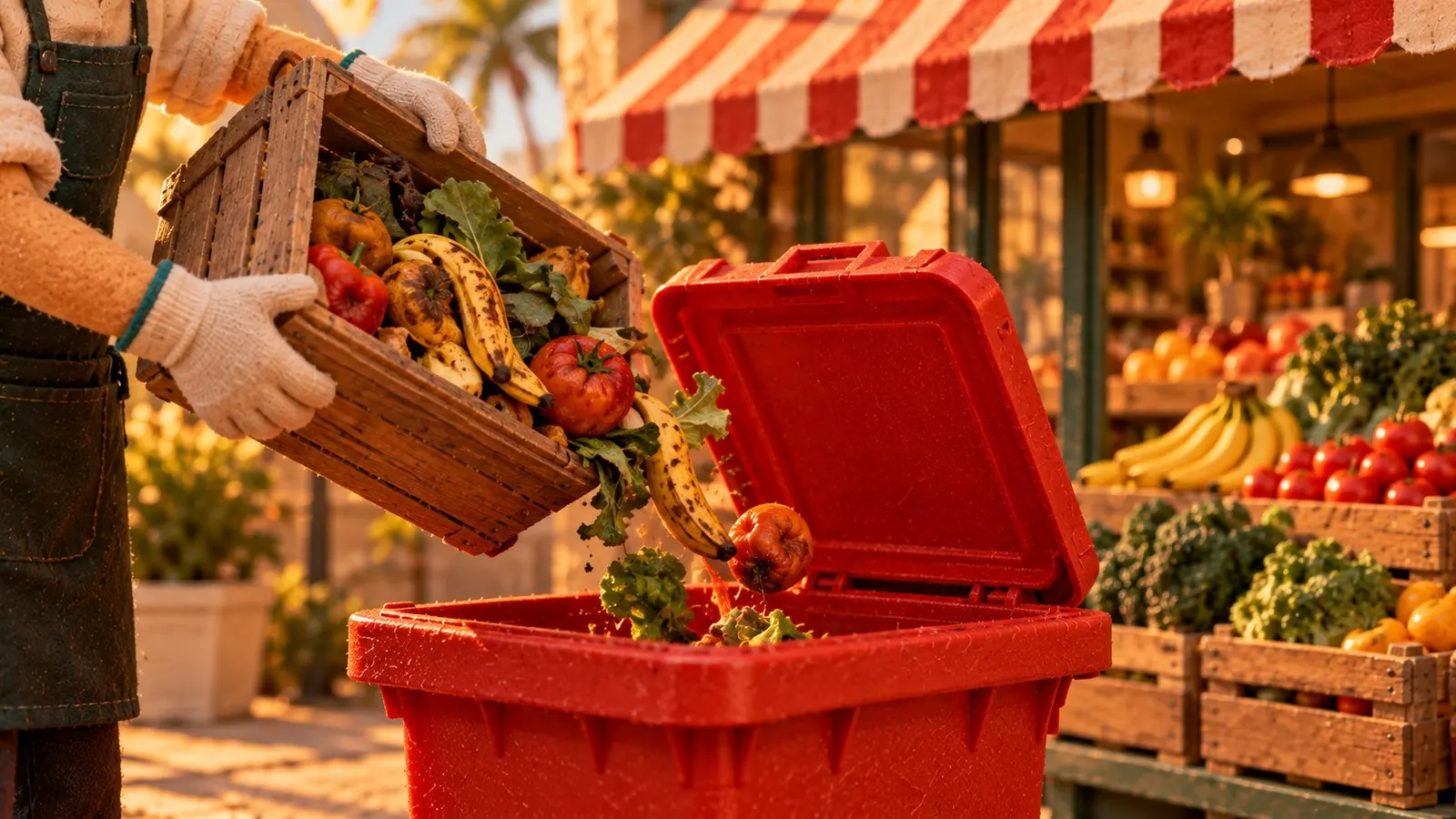 For businesses
Grocery Store Food Waste: Where It Should Go
Grocers already work hard to sell every apple. For the produce that can't be sold or donated, here is the best place for it to go.
-
 For everyone
Are "Compostable" Plates Really Compostable?
The plate says compostable. Whether it actually becomes compost depends on what it is made of, how it is certified, and who picks it up. Here is how to tell.
-
 For farmers
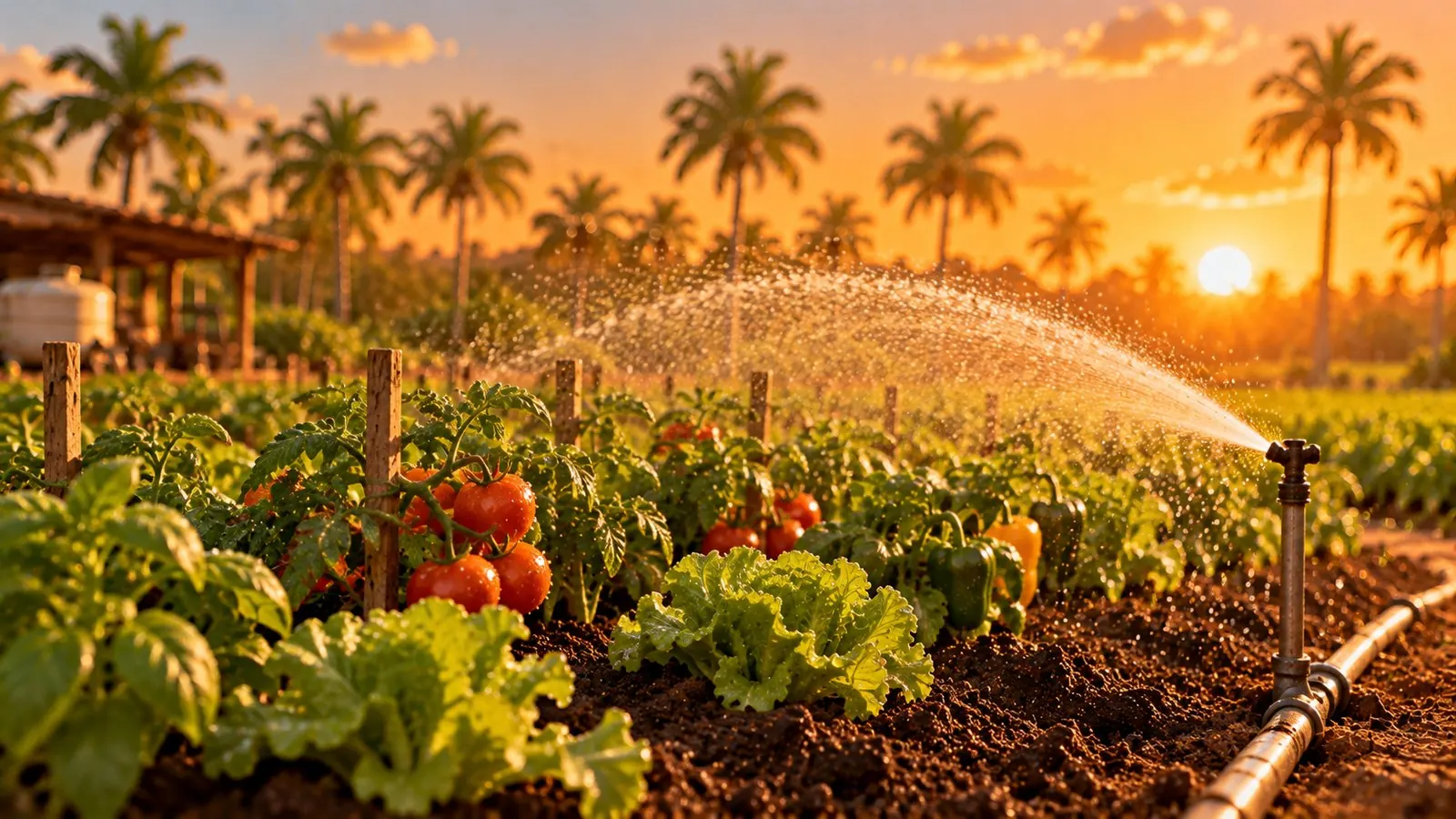
Does Compost Reduce Irrigation?
Compost will not make it rain. It does help your soil hold on to the water you already paid to pump. Here is what the research says and how it plays out in Miami-Dade.
-
 For businesses
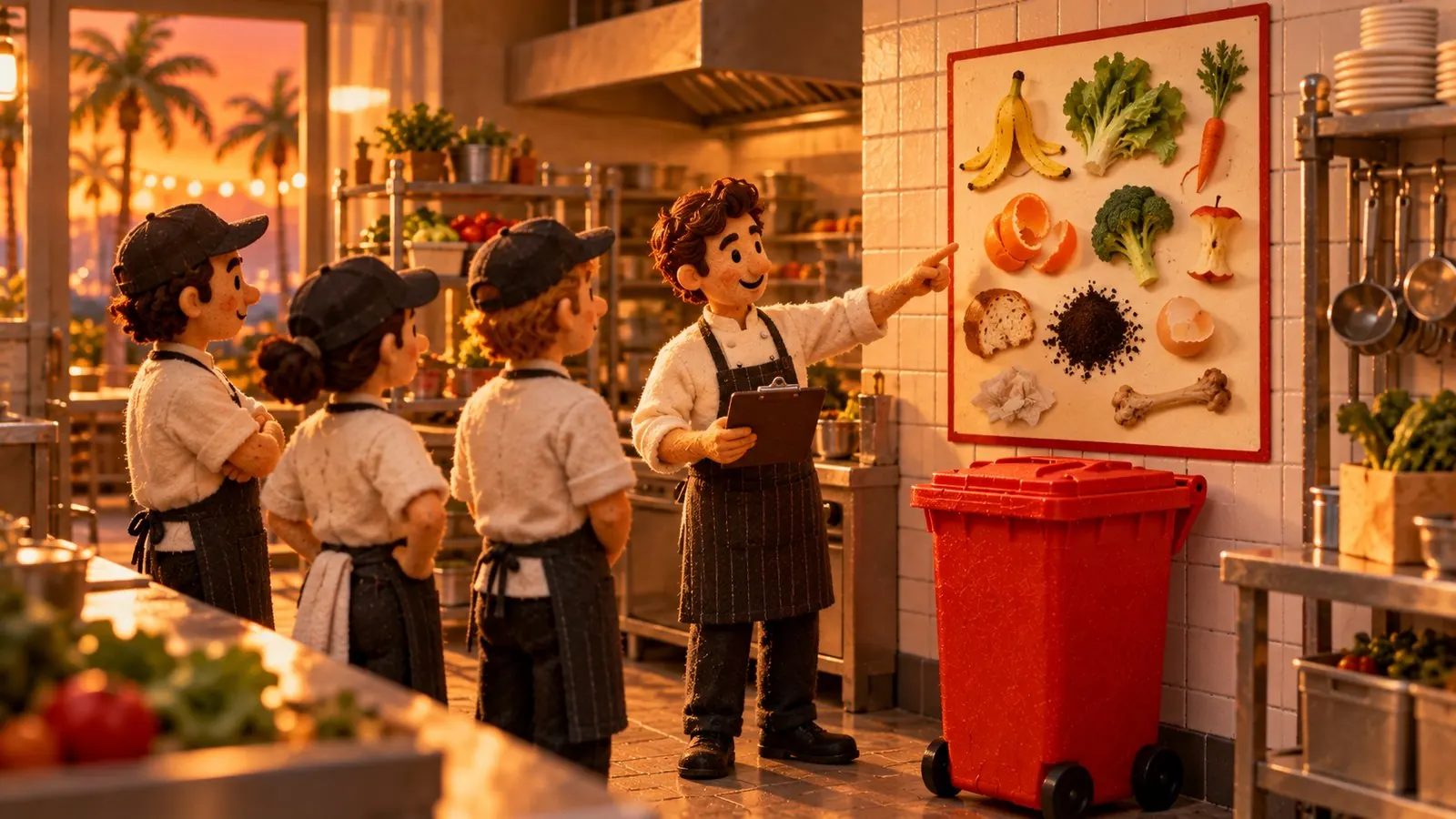
How to Train Kitchen Staff to Sort Food Scraps
Your crew is slammed, multilingual and turning over. Here is how to get clean food scraps anyway.
-
 For everyone
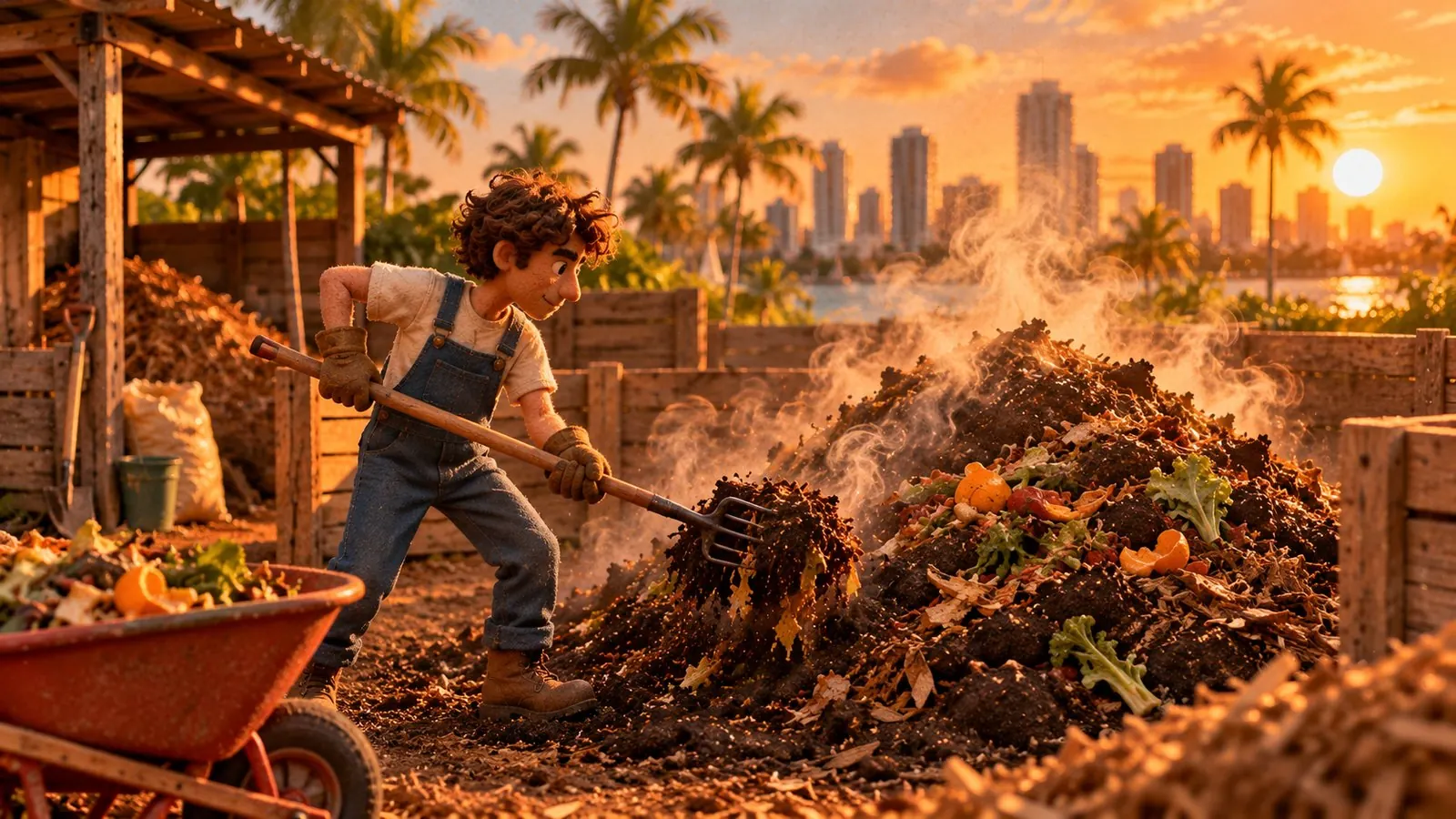
Hot Composting, Explained
A good compost pile runs hot enough to steam on a cool morning. Here is where the heat comes from, why 131 F matters, and how hot composting turns scraps into safe soil.
-
 For farmers
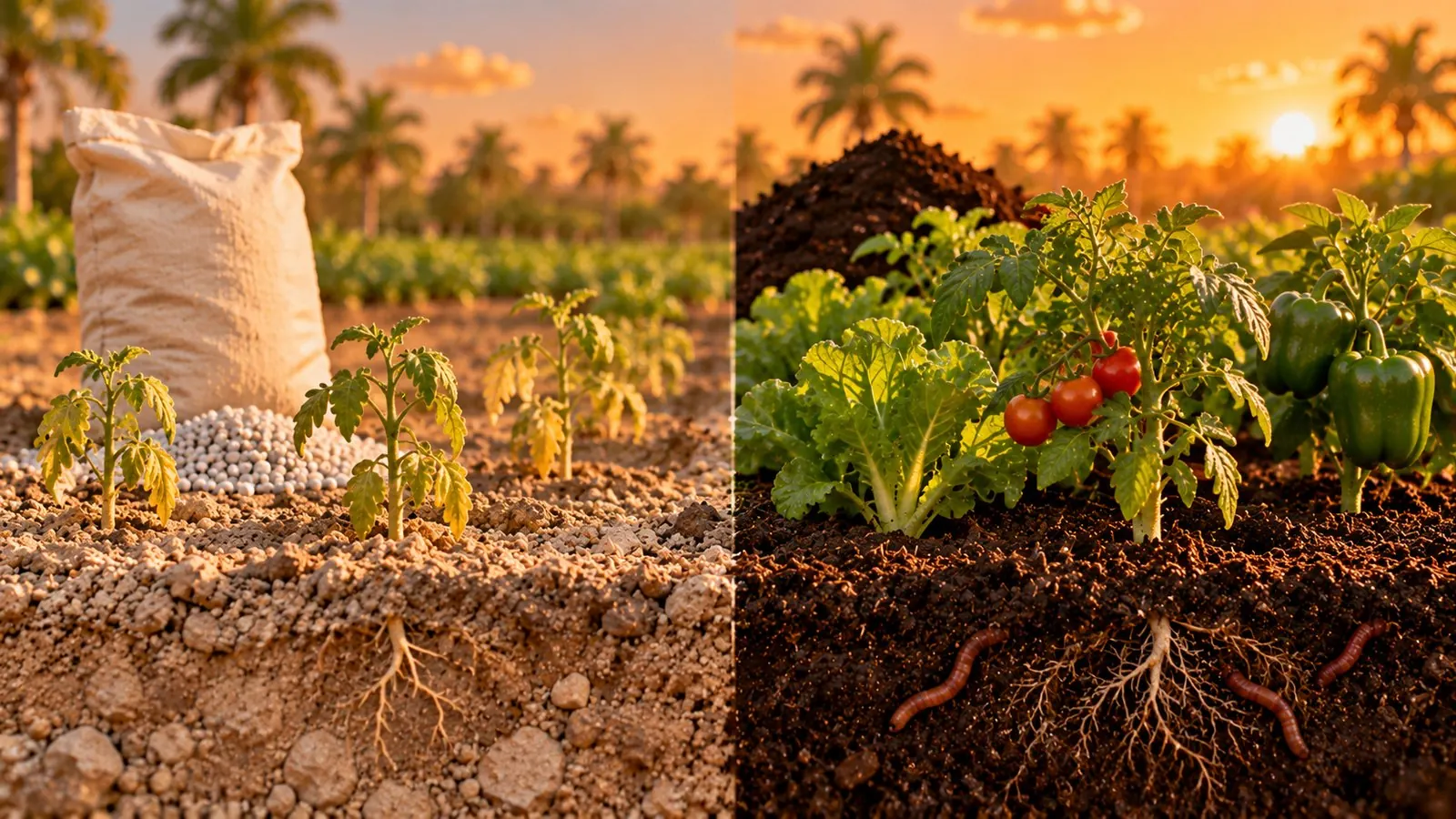
Compost vs. Synthetic Fertilizer
Fertilizer feeds the crop. Compost feeds the ground the crop lives in. Most good farms use both, and on sandy Florida soil the combination matters more than ever.
-
 For businesses
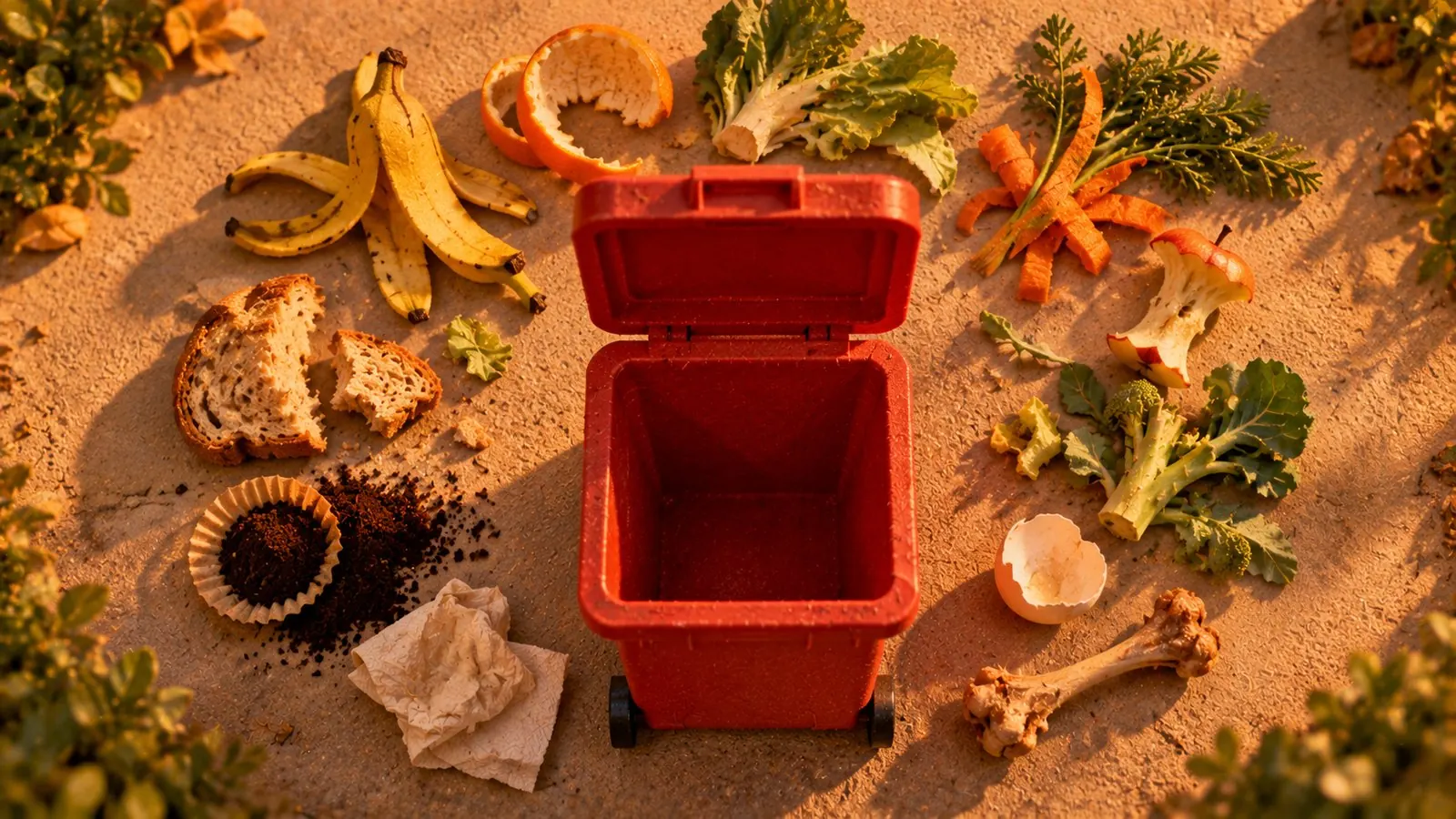
What Can Go in a Commercial Compost Bin?
Commercial compost takes a lot more than banana peels. Here is what goes in the red bin, what stays out, and why.
-
 For everyone
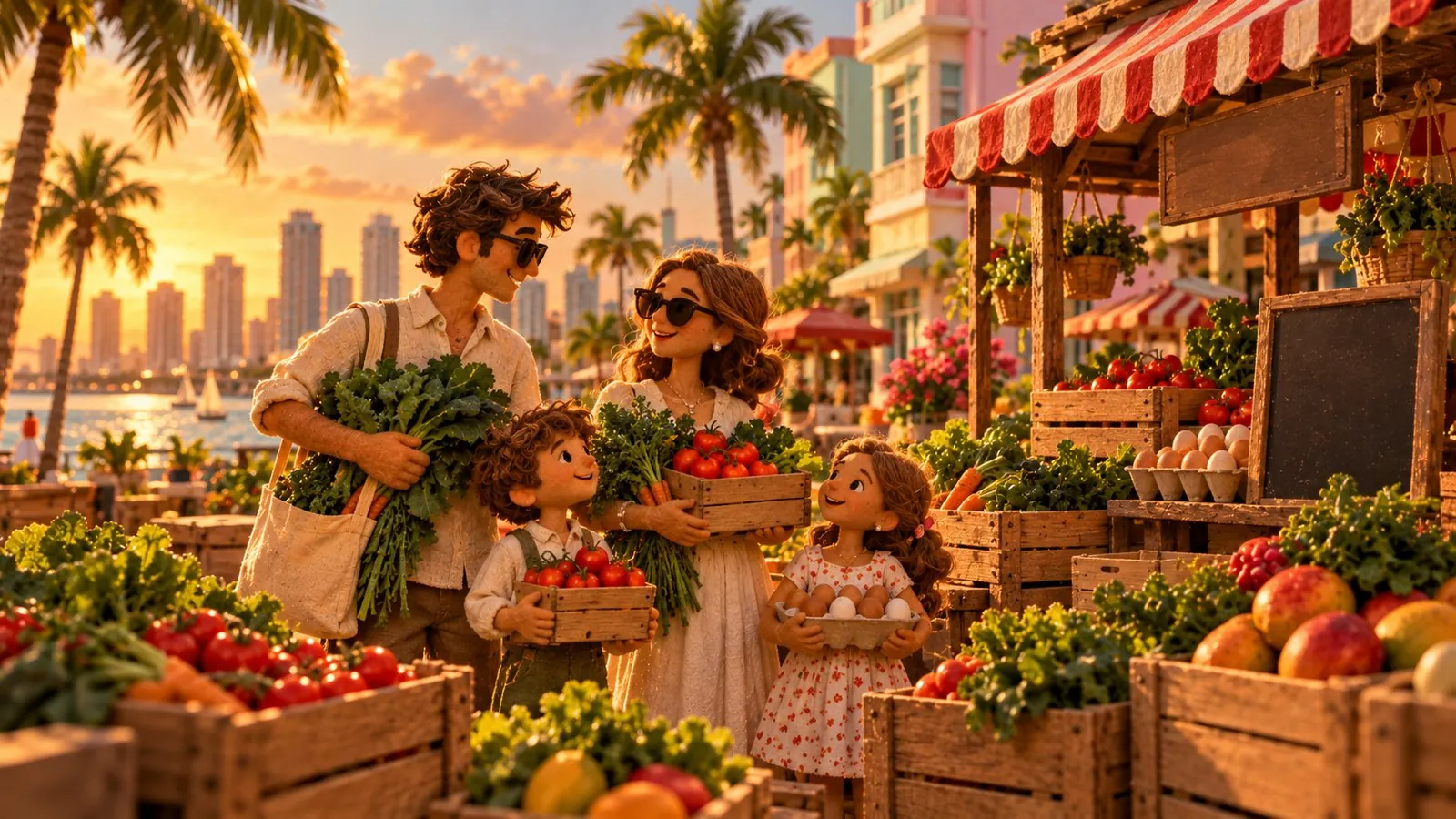
Why Local Farming Matters in Miami
Miami-Dade still farms, and it grows things almost nobody else in the country can. Here is why that matters, what is putting pressure on it, and how a food scrap can help.
-
 For farmers
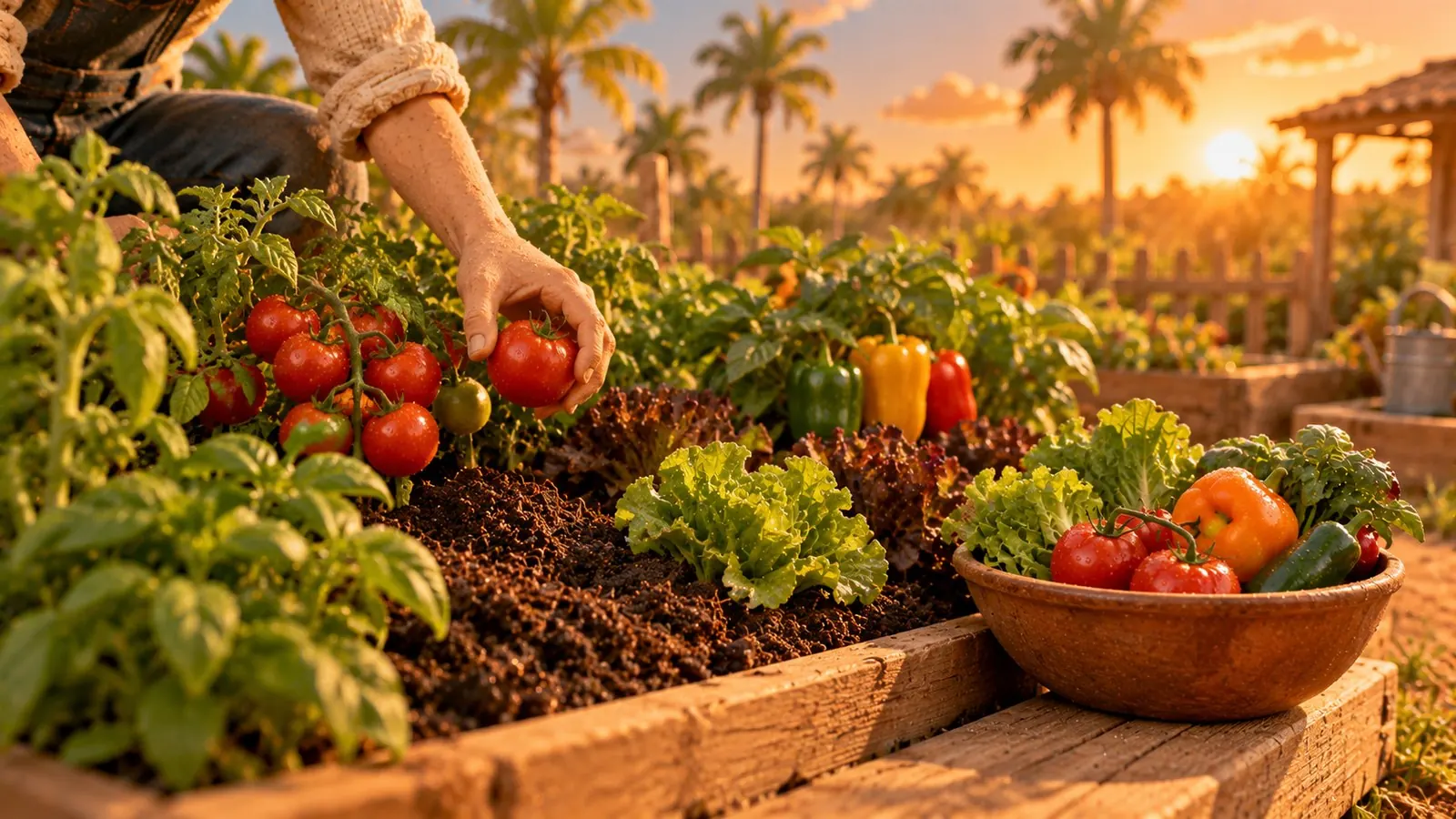
Is Compost Safe for Vegetables?
Properly made compost is safe for vegetable beds. The word that matters is properly. Here is what heat, time and curing do, and what to ask before you spread.
-
 For businesses
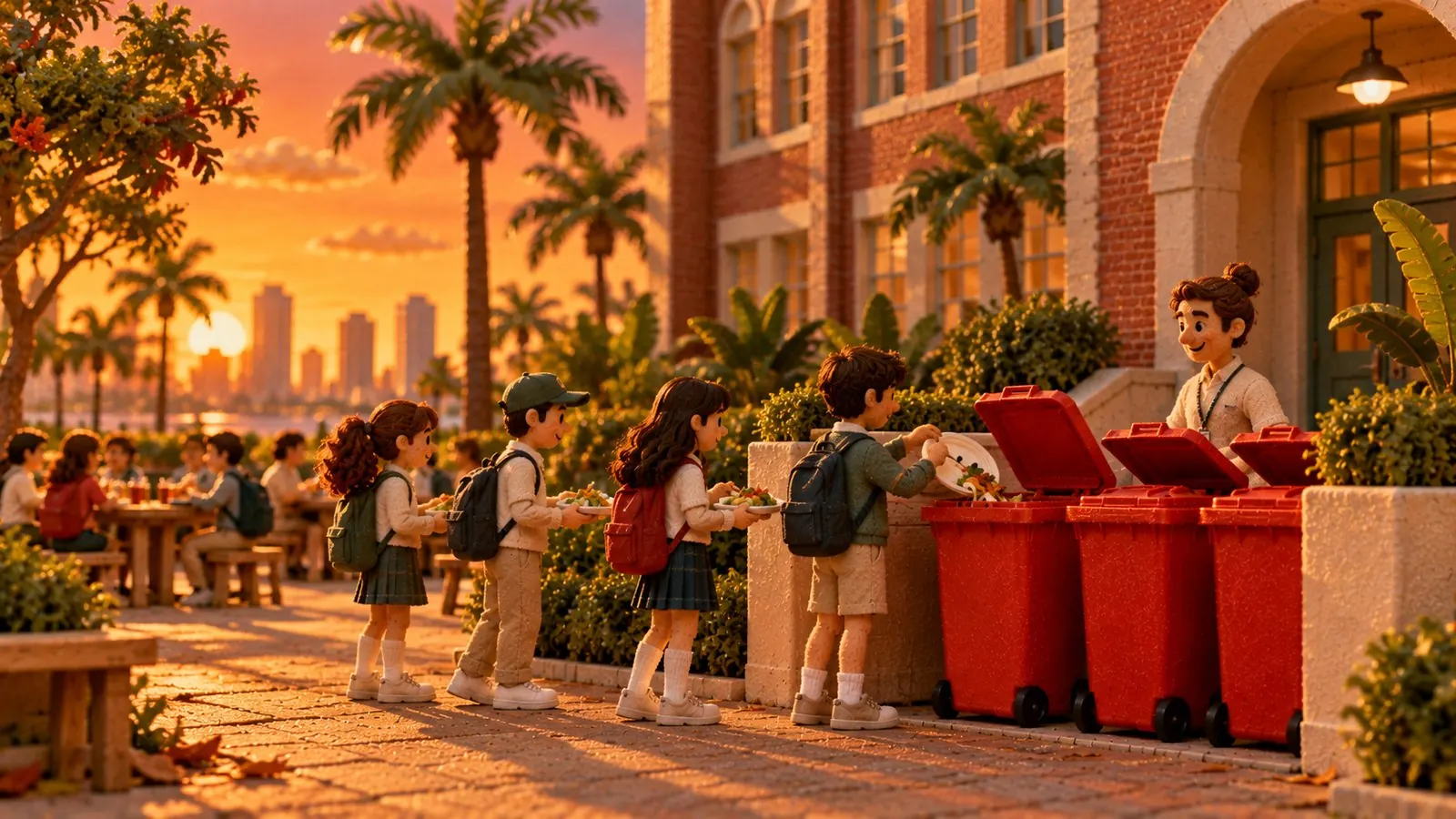
Starting a School or Campus Composting Program
Cafeterias throw away more food than almost anyone. A good composting program fixes that and teaches kids something real along the way.
-
 For everyone
Miami-Dade's Zero Waste Goals, Explained
The county wants to keep most of its trash out of the landfill. Here is what the plan says, why food scraps sit at the center of it, and what you can do now.
-
 For farmers
How to Read a Compost Lab Report
A compost lab report looks like a wall of numbers. Six lines tell you almost everything. Here is how to read them before a yard of anything hits your field.
-
 For businesses
Event and Stadium Composting in Miami
A festival can fill a dumpster with food in one night. Here is how Miami venues and event teams keep it out of the landfill.
-
 For everyone
Can You Compost Meat, Bones, and Dairy?
Backyard piles can't safely handle meat, bones and dairy. Commercial hot composting can. Here is why, and how it works in Miami-Dade.
-
 For farmers
Compost for Nurseries and Potting Mixes
Good compost can replace part of the peat and bark in a container mix. Too much, or the wrong compost, and plants suffer. Here is where the line is.
-
 For businesses
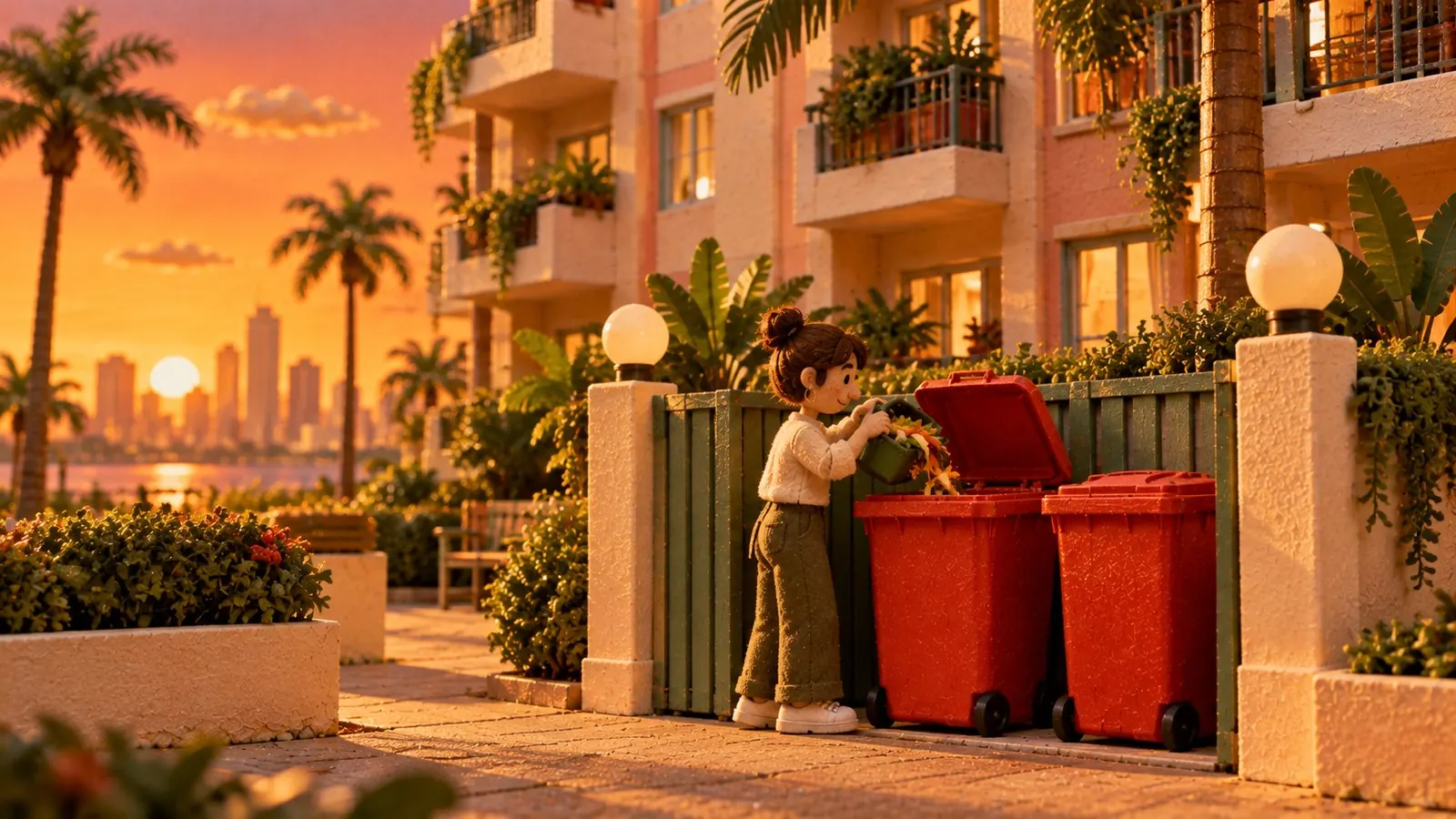
How to Start an Apartment Composting Program
Residents keep asking for composting. Here is how a Miami property manager sets it up in the trash room, gets people using it, and keeps it clean in our heat.
-
 For everyone
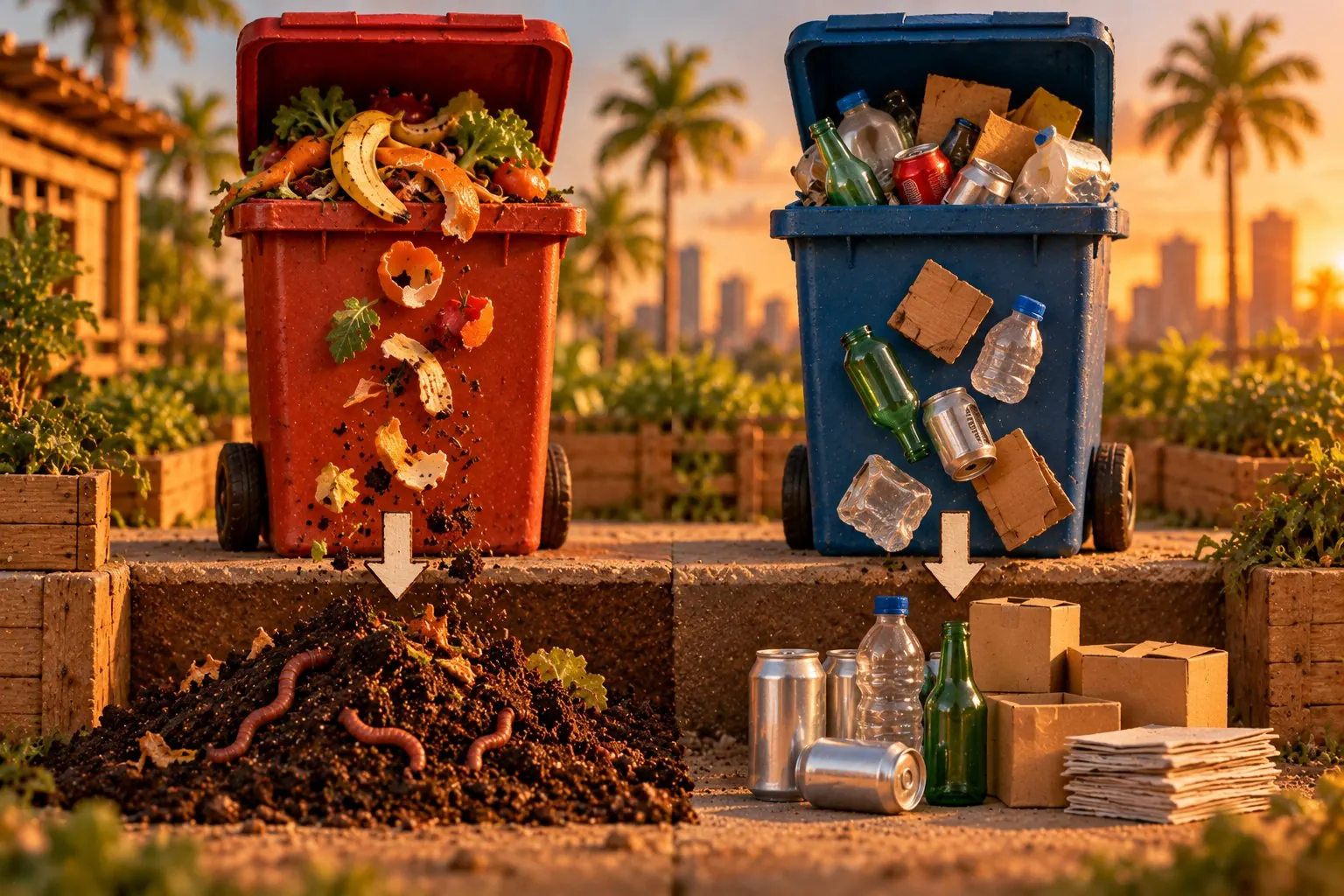
Composting vs. Recycling: What's the Difference?
Recycling remakes materials. Composting turns food back into soil. Here is how they differ, what goes in each bin, and why a business needs both.
-
 For farmers
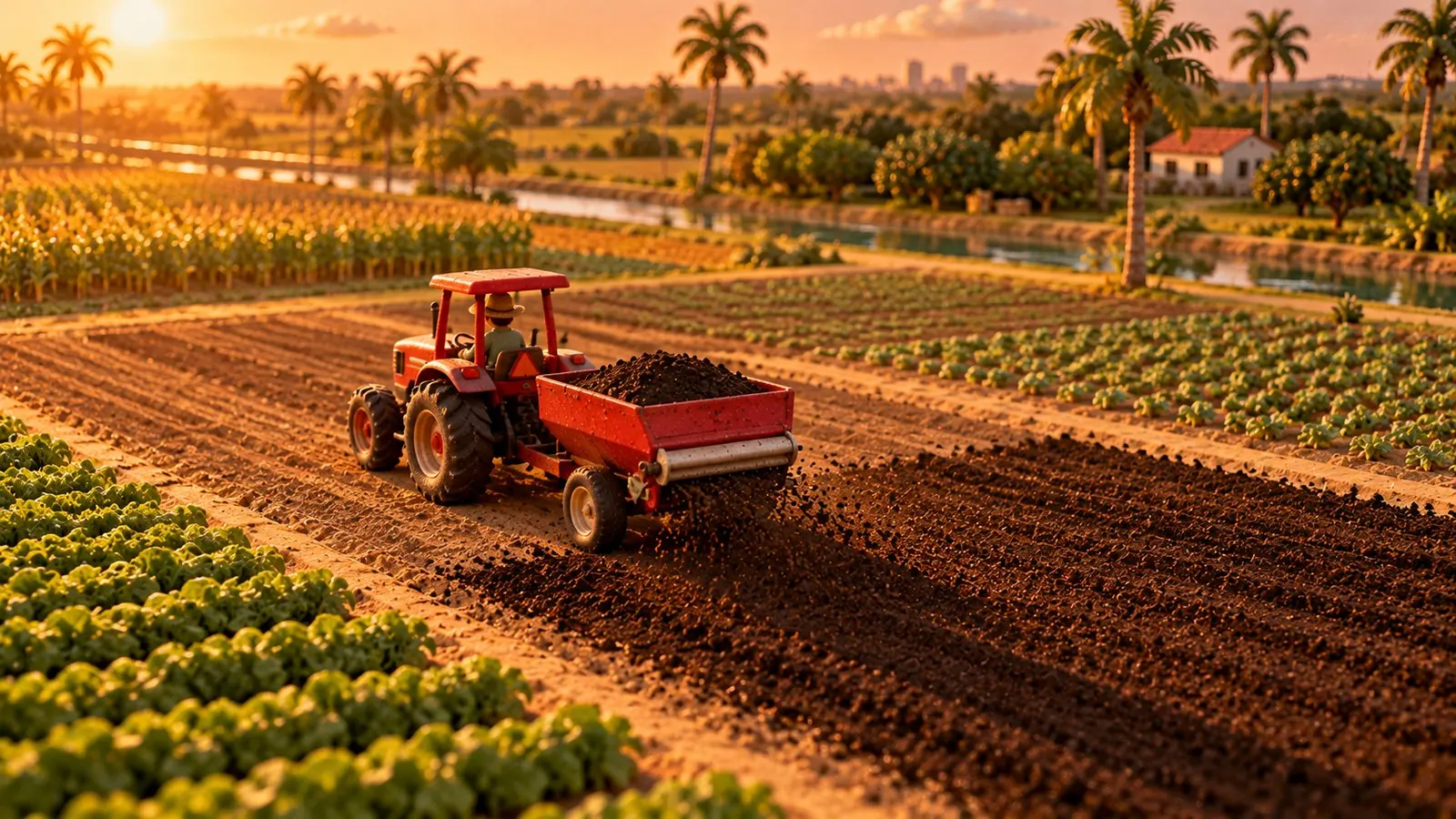
How Much Compost Per Acre?
One inch of compost over an acre is about 134 cubic yards. Here is the math for any depth, how to convert to tons, and how to let your soil test set the number.
-
 For businesses
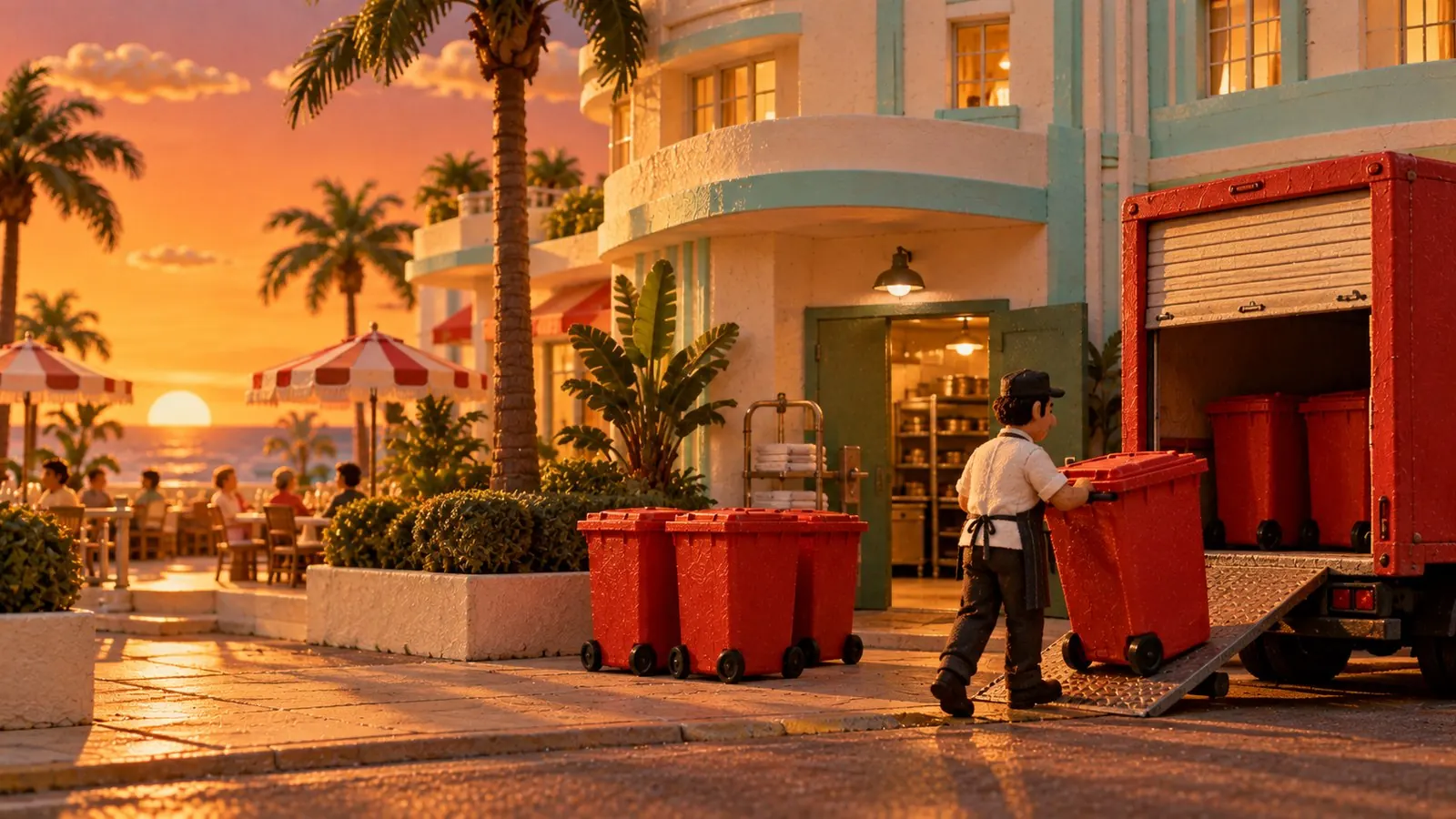
Hotel Food Waste: A Composting Playbook
Buffets, banquets, room service and the staff cafeteria. A hotel has several kitchens under one roof. Here is how to get all of them composting without slowing anybody down.
-
 For everyone
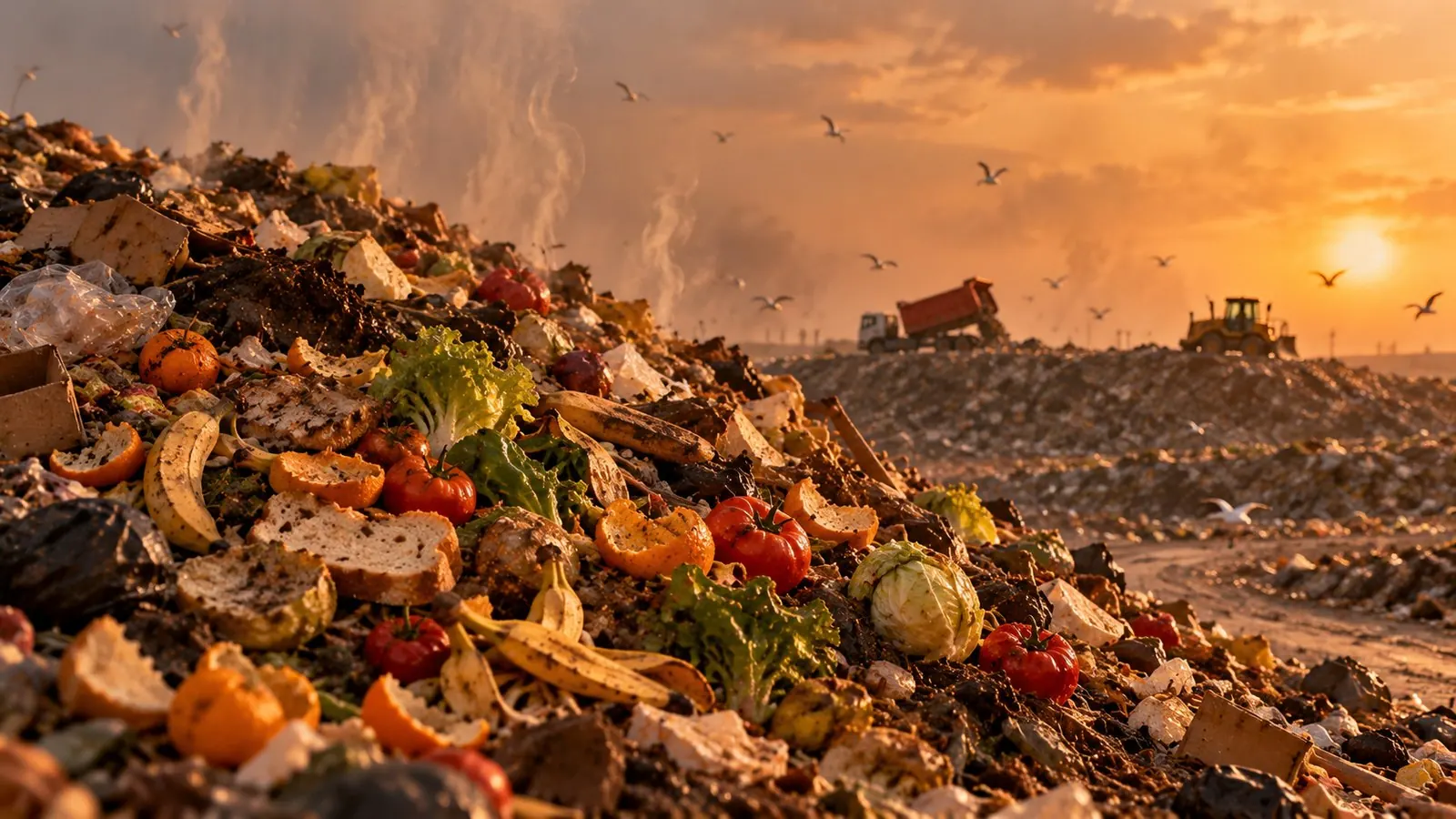
Why Food in Landfills Creates Methane
Buried food rots without air, and that makes methane. Here is why landfills and food scraps are a bad mix, and what to do instead.
-
 For farmers
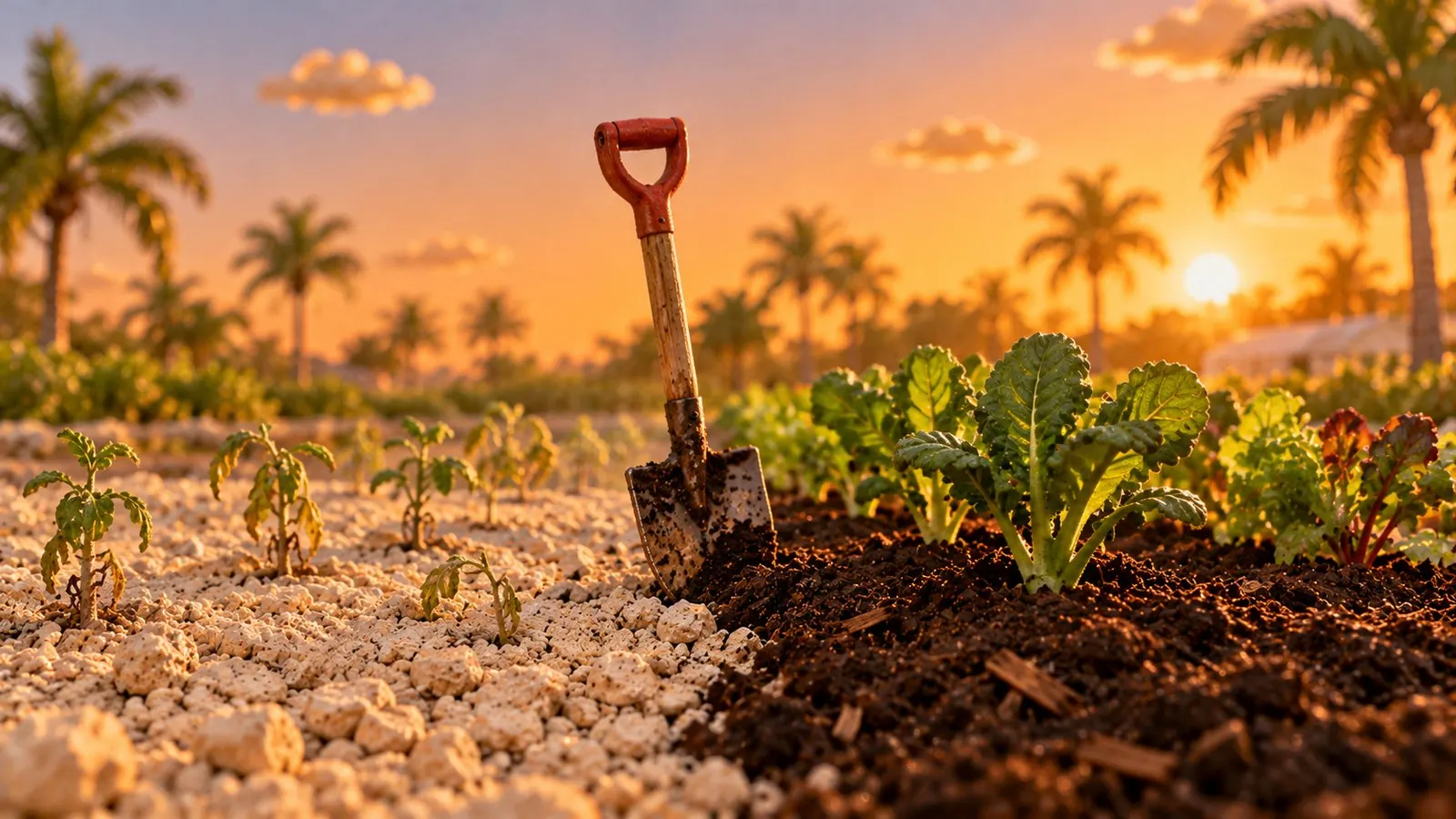
Compost for Rocky and Limestone Soils
Rock-plowed limestone gives roots a few inches to work with. Compost will not turn rock into loam, but it makes those inches count.
-
 For businesses
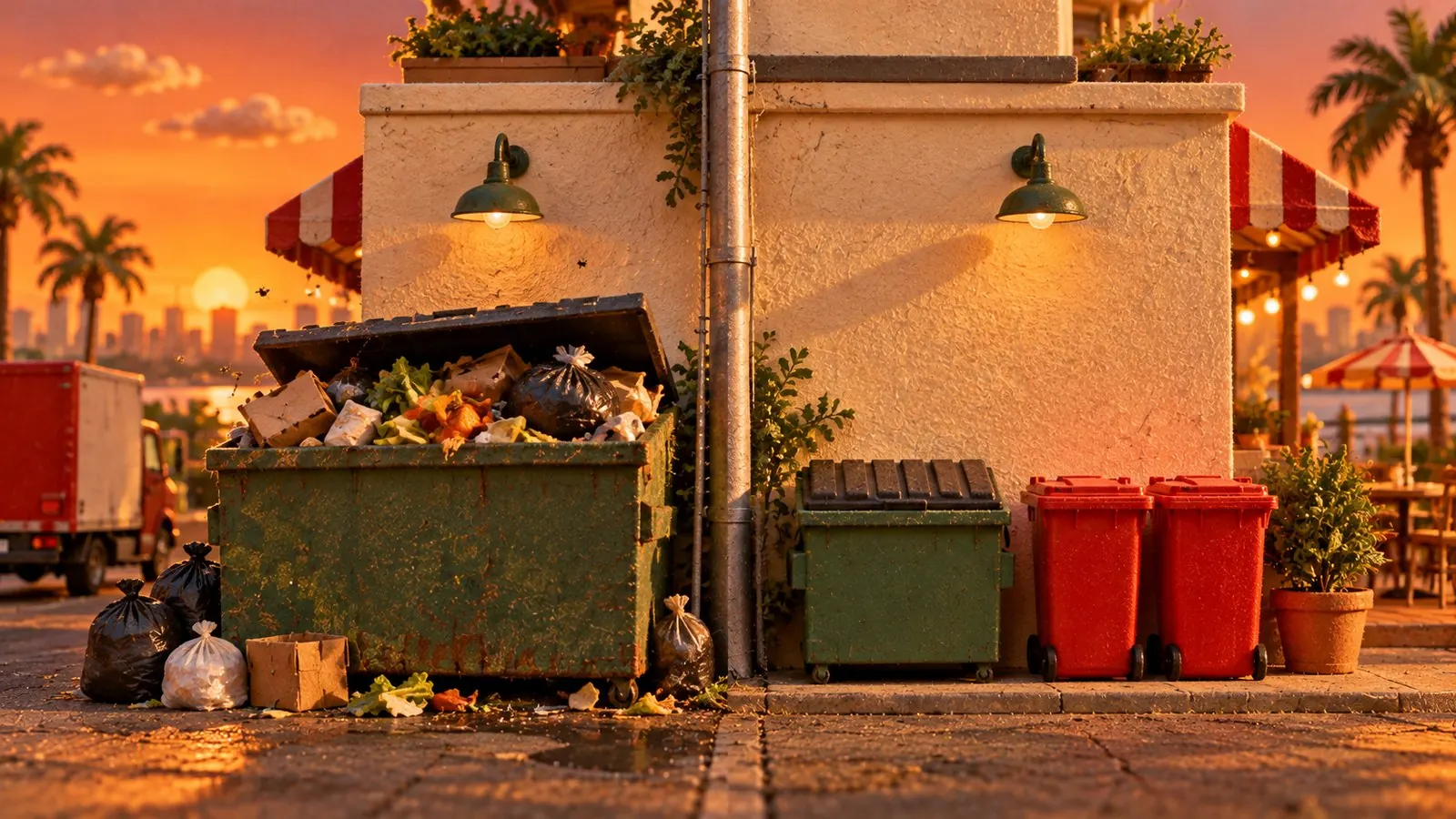
Can Composting Lower Your Trash Bill?
Food is the heaviest, wettest thing in your dumpster. Pull it out and you can often shrink the rest of your trash service. Here is how to tell if it works for you.
-
 For everyone
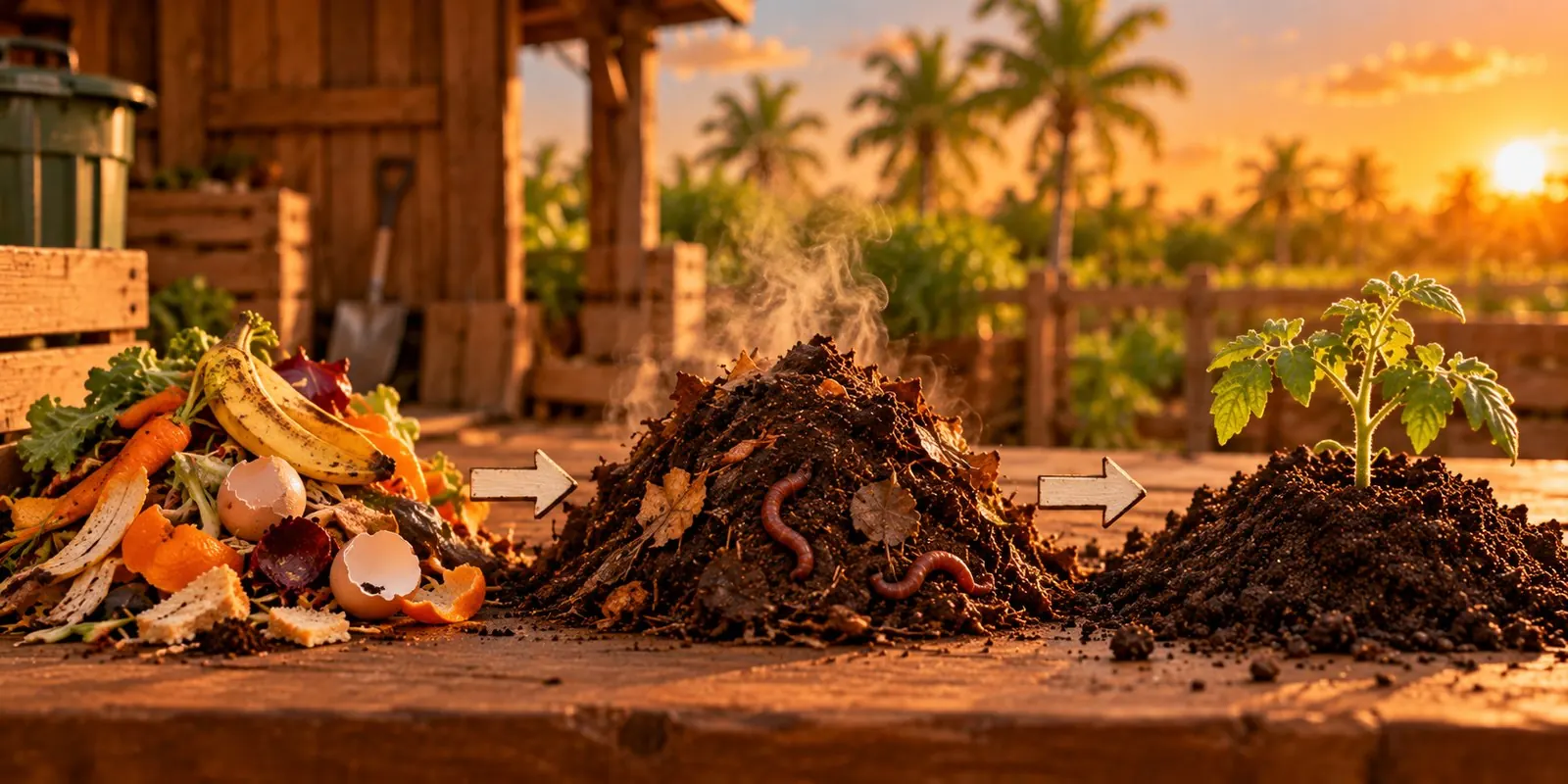
What Is Composting?
Composting is controlled rotting. Microbes, air and water turn scraps into dark, crumbly soil. Here is how it works and why it matters.
-
 For farmers
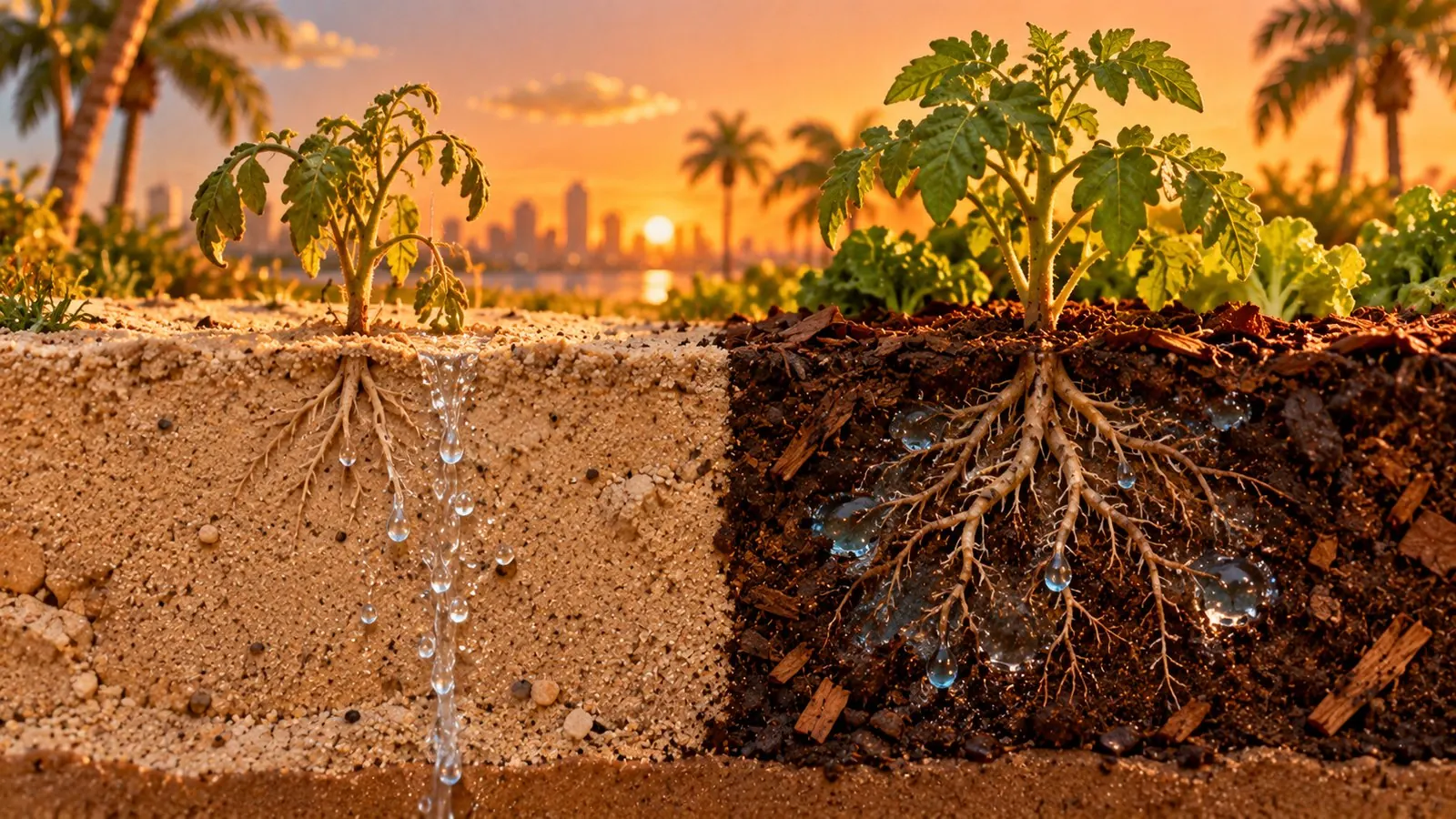
How Compost Fixes Sandy Florida Soil
Florida sand lets water and fertilizer run straight through. Compost gives it something to hold on with. Here is how, and how much to use.
-
 For businesses
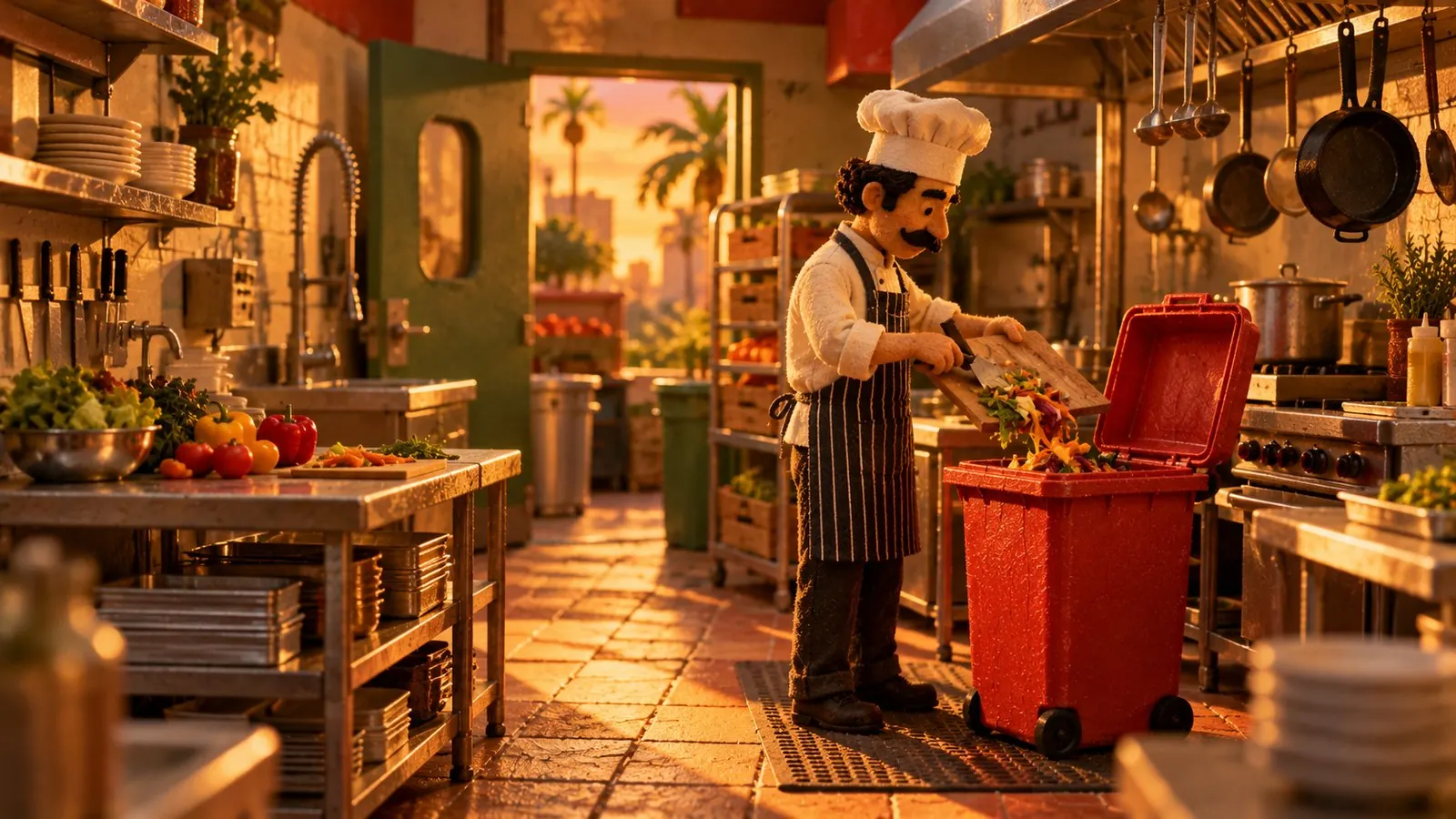
How Restaurants Can Start Composting
One red bin at the prep station, a two-minute talk with the line, and a pickup day. Here is how a Miami restaurant starts composting without slowing service.
-
 For farmers
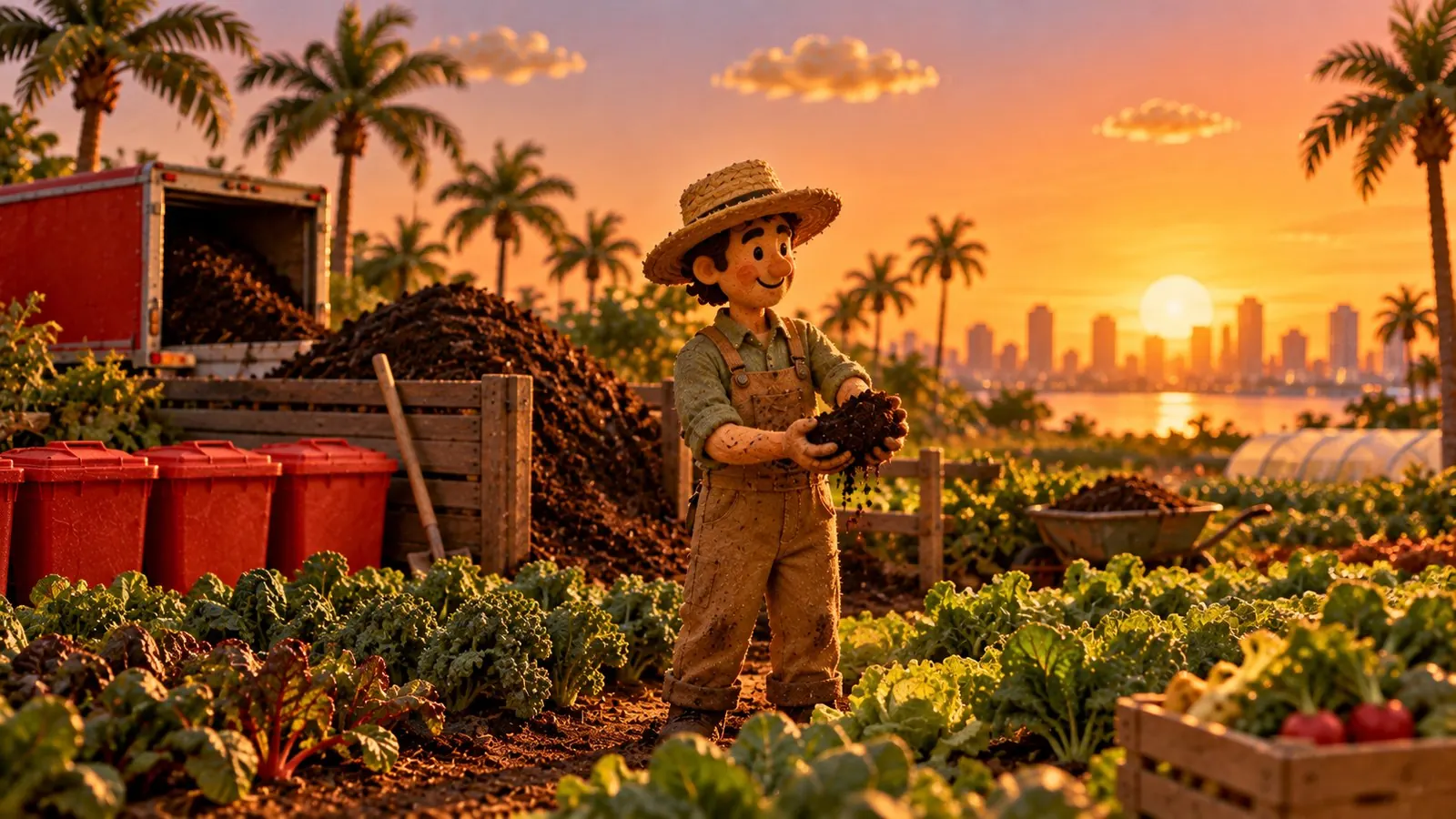
Compost for South Florida Farms: The Grower's Guide
Sandy ground, rock-plowed limestone, hard sun. Here is how compost earns its place on a South Florida farm, how much to use, and how to buy it by the yard.
-
 For businesses
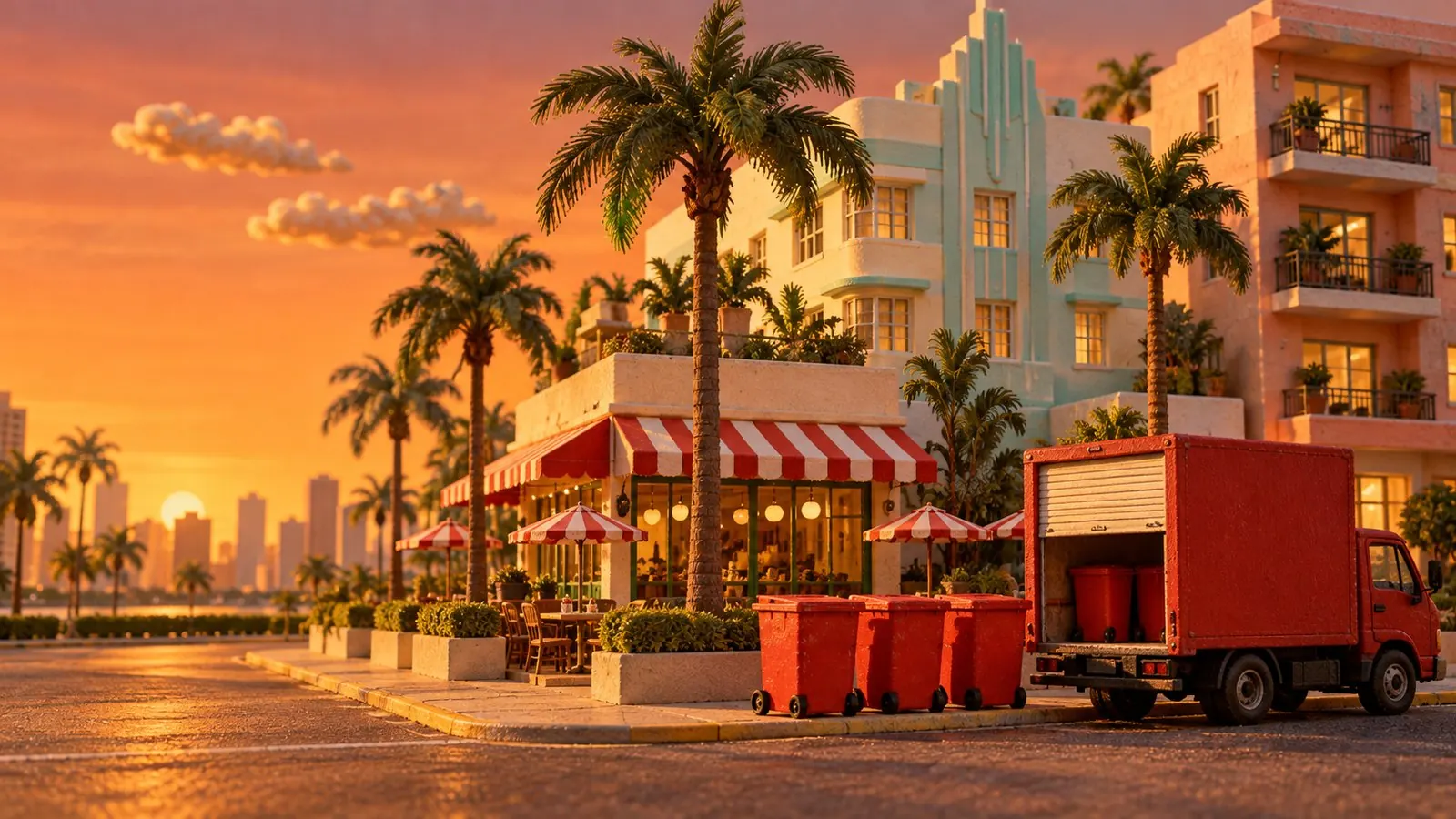
Commercial Composting in Miami: The Complete Guide
Everything a Miami restaurant, hotel, school or building manager needs to know about commercial composting, from the first bin to the finished soil.
-
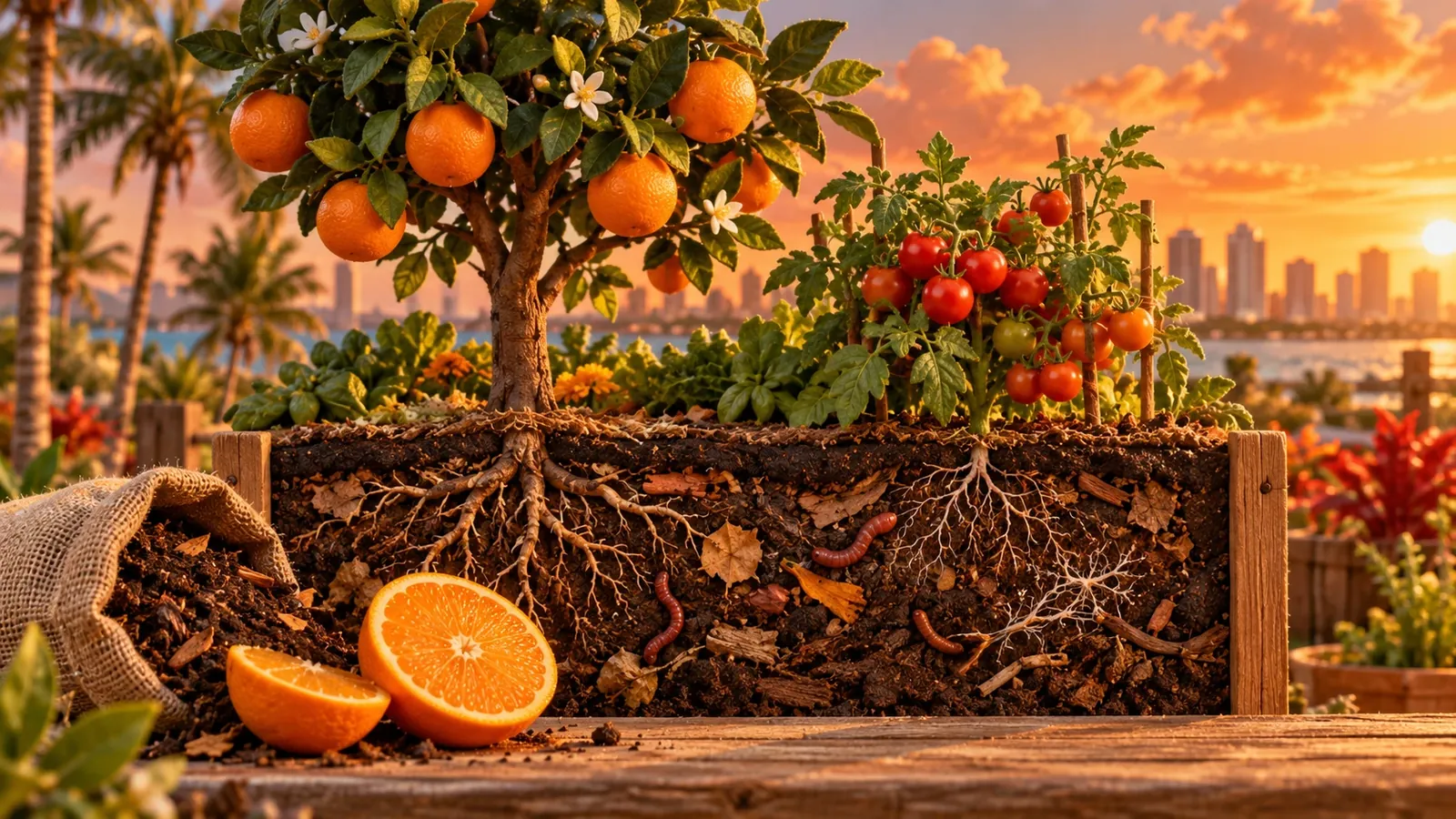 For everyone
Why compost-grown food tastes better
We think food grown in living soil tastes like more. Here is why that might be, and how to taste it for yourself.
-
 For everyone
Why it’s called Melly’s
Melly is Ethan’s mom. She had a saying. It turned into a company.
✦ Get in touch with Melly's
Questions?
Ask about pickups for your business, soil for your farm, or how the loop works. A real person at Melly's writes back.
Compost pickup
Get a quoteWholesale soil
Get wholesale pricing