
Miami-Dade's Zero Waste Goals, Explained
The county wants to keep most of its trash out of the landfill. Here is what the plan says, why food scraps sit at the center of it, and what you can do now.
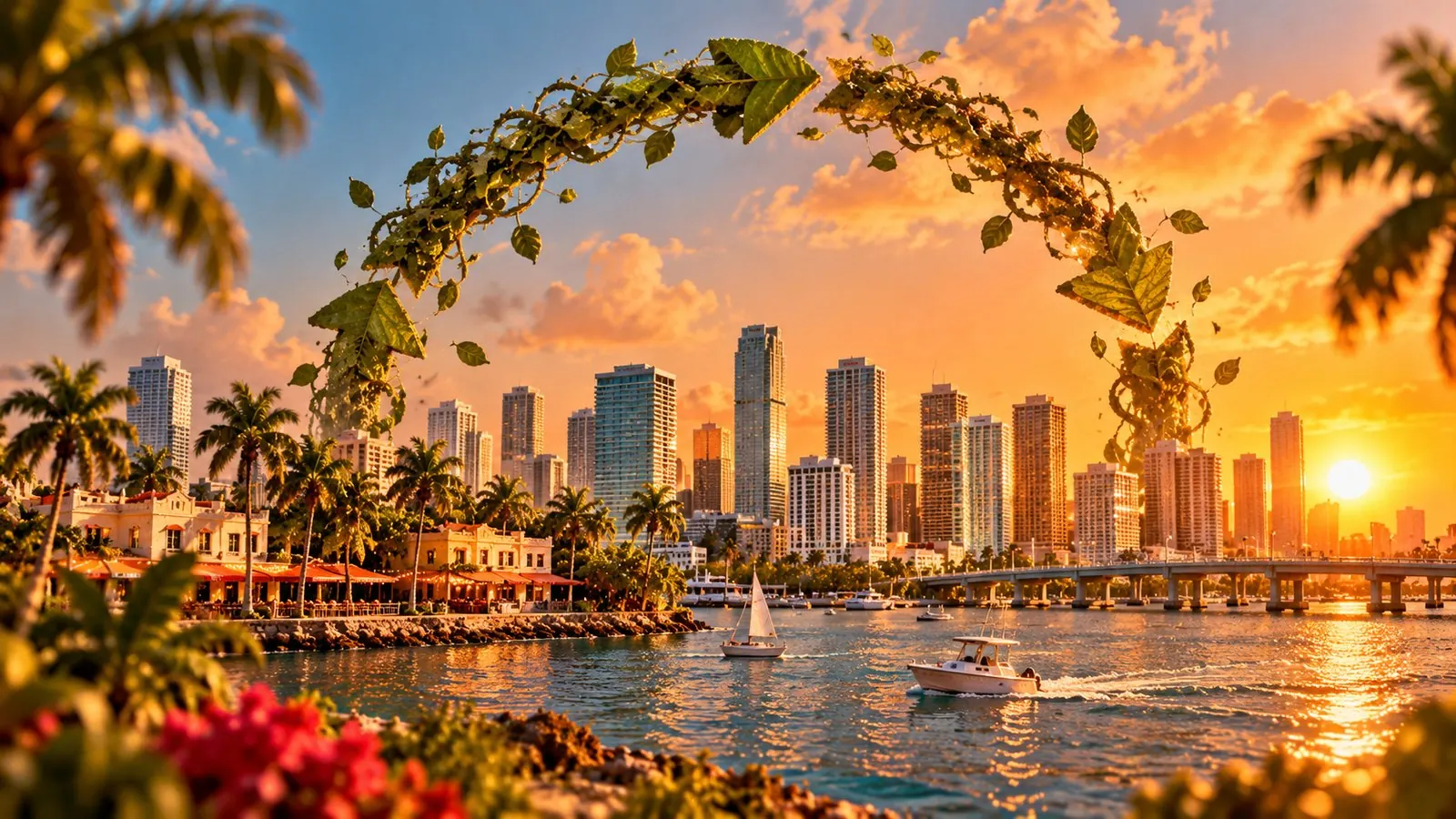
Miami-Dade's zero waste goal is to keep most of the county's trash out of landfills and burners by recycling, composting and wasting less in the first place. The new Zero Waste Master Plan aims to raise the county's diversion rate from about 36 percent in 2024 to 77 percent, with a long push toward zero waste by 2040. Food scraps and yard waste are a big part of that, because they are a big part of what gets buried today.
What is the Miami-Dade Zero Waste Master Plan?
It is the county's long-range plan for trash. The Department of Solid Waste Management hired a consultant in 2024, held public workshops, and finished the plan in 2026. Reporting from Waste Dive and Waste360 describes more than 30 strategies covering recycling, construction debris, food recovery and organics.
What does "zero waste" actually mean?
Zero waste is a direction, not a literal number. It means treating trash as material that still has a job to do.
For food, that job is clear. Feed people first. Then turn what is left into compost so it can grow more food. That is the same idea we call the loop: scraps become soil, soil grows food, food comes back to the city.
Why do food scraps matter so much to the zero waste goal?
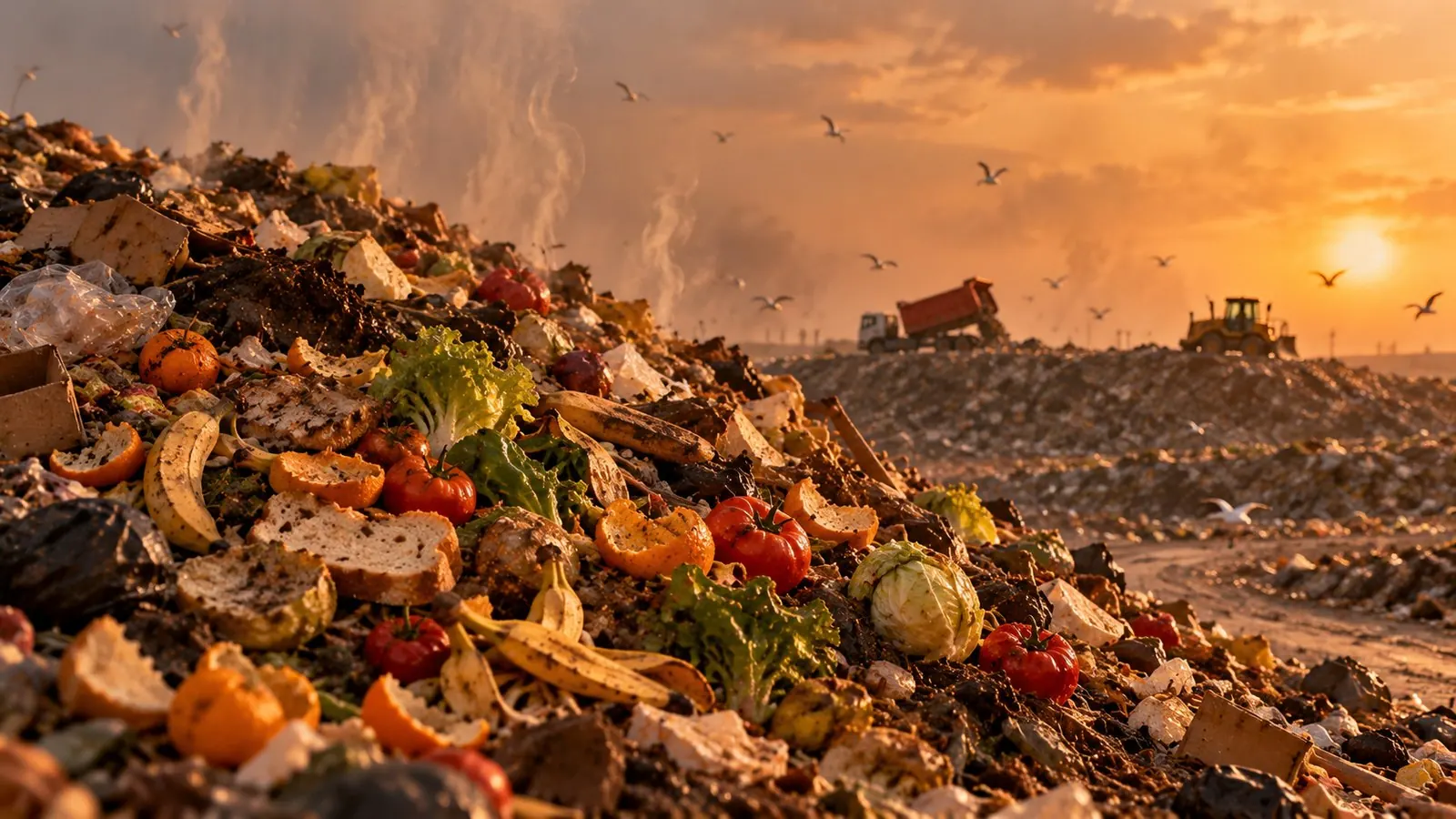
Because there is a lot of them, and they cause trouble in a landfill. A county planner told Local10 that about 30 percent of what goes into the landfill is organic material: yard debris and food scraps.
Nationally, the EPA found that food is about 24 percent of municipal solid waste sent to landfills, and that landfilled food waste accounts for about 58 percent of the methane that escapes from those landfills (EPA). Methane is a strong greenhouse gas. Food rots fast, so a lot of that gas gets out before collection systems catch it. We break that down in why food in landfills creates methane.
Pull the food out and you shrink the landfill problem and the methane problem at the same time.
Will Miami-Dade businesses have to compost?
That is where things are heading. According to Waste Dive, the plan calls for restaurants, grocery stores, hotels, hospitals and schools to eventually separate food scraps and other organics for composting or similar processing. It also points toward requiring surplus edible food to be donated.
As of this writing, that is a plan, not a rule with a start date. The county still has to pass ordinances and build capacity. But if you run a kitchen in Miami-Dade, it is smart to set up food scrap separation before anyone tells you to. You get to do it on your schedule, train your staff calmly, and figure out what it does to your trash pickups.
Is Florida pushing the same way?
Yes, it has been for a while. In 2008 the Legislature set a statewide goal to recycle 75 percent of municipal solid waste by 2020 (Florida DEP). The state did not hit it, and the goal was aspirational rather than a mandate. Nationally, USDA and EPA set a goal in 2015 to cut food loss and waste in half by 2030 (EPA).
What does zero waste look like in Miami-Dade specifically?
Our county has its own pressures. In February 2023 a fire tore through the county's Resources Recovery Facility in Doral, the waste-to-energy plant that burned a large share of our garbage (City of Doral). Waste got rerouted to landfills for months. That made one thing obvious: we were relying on one big place to make our trash disappear.
Then there is who we are. Miami-Dade runs on tourism and hospitality. Hotels, restaurants, cruise traffic and events all produce food waste, and lots of it. Our heat speeds up rot, so scraps that sit in a dumpster in August get ugly fast.
And we still farm. The Redland and Homestead area grows tropical fruit, vegetables and nursery plants, much of it on thin limestone or sandy soil that loves organic matter. That is the part I like most. The county has a composting pilot at the South Dade Landfill testing how to turn food scraps and yard debris into compost. Feed that compost back to our own local farms, and zero waste stops being a slogan. It turns into tomatoes.
What can a business do right now?
Start with what you throw away. Walk your back of house for a week and look at the bins. In most kitchens, food is the heaviest thing in the dumpster.
Then:
- Put a dedicated food scrap bin where the scraps are made: the prep line, the dish pit, the buffet breakdown.
- Train the team once, then remind them often. Pictures beat words on signs.
- Get scraps picked up often enough that the bin never sits long in the heat.
- Watch what happens to your trash volume, and adjust your trash service if you can.
That is exactly what we do. Melly's picks up food scraps 1 to 3 times a week, never less than weekly, in 64-gallon red bins, and swaps in a clean bin every time. Meat, bones and dairy go in too. Service is month to month, and we start with a free waste audit so you know what you are working with. You can see how it works on our compost bin page.
Frequently asked questions
What is Miami-Dade's zero waste target?
The Zero Waste Master Plan aims to divert 77 percent of waste from disposal, up from about 36 percent in 2024, with a longer push toward zero waste by 2040. The exact timeline for each strategy depends on what the County Commission adopts.
Is composting required for businesses in Miami-Dade?
Not yet, as of this writing. The plan calls for large food waste generators like restaurants, hotels and grocery stores to eventually separate organics, but that still needs rules and a start date.
Does recycling food scraps really help the climate?
Yes. The EPA found landfilled food waste is responsible for about 58 percent of fugitive methane from municipal landfills. Composting food instead keeps it out of the place where it makes the most methane.
Where do Miami-Dade's food scraps go now?
Most go to landfills or the waste-to-energy system along with regular trash. The county is piloting composting, and private haulers like Melly's take separated scraps from businesses and turn them into compost.
Zero waste starts in your kitchen, not in a county report. If you run a restaurant, hotel, office or apartment building in Miami-Dade, get a quote and we will start with a free waste audit. Pricing depends on your volume, and it is month to month.
Sources
- Waste Dive: How Miami-Dade County plans to tackle zero waste by 2040
- Waste360: Inside Miami-Dade County's New Zero Waste Master Plan
- Local10: Miami-Dade taking steps to sustainably deal with solid waste issue
- Miami-Dade County: Journey to Zero Waste
- BioCycle: Miami-Dade County Launches Composting Pilot to Evaluate Organics Diversion Opportunities
- EPA: Quantifying Methane Emissions from Landfilled Food Waste
- Florida DEP: Recycling
- EPA: Federal Interagency Collaboration to Reduce Food Loss and Waste
- City of Doral: Fire at the County Waste to Energy Covanta Facility
Related posts
-
 For everyone
Why Local Farming Matters in Miami
Miami-Dade still farms, and it grows things almost nobody else in the country can. Here is why that matters, what is putting pressure on it, and how a food scrap can help.
-
 For everyone
Why Food in Landfills Creates Methane
Buried food rots without air, and that makes methane. Here is why landfills and food scraps are a bad mix, and what to do instead.