
Is Compost Safe for Vegetables?
Properly made compost is safe for vegetable beds. The word that matters is properly. Here is what heat, time and curing do, and what to ask before you spread.
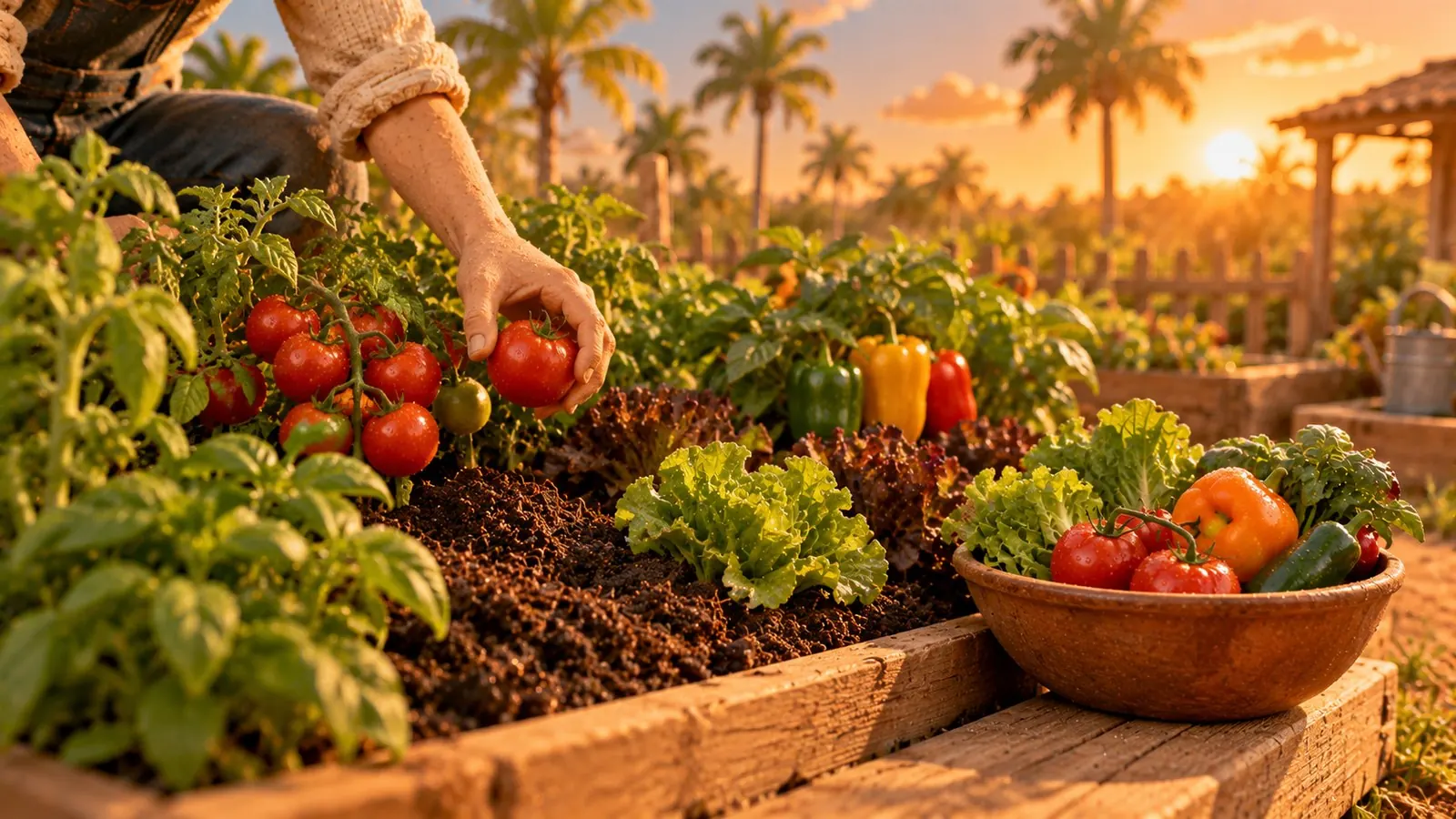
Yes, compost is safe for vegetables when it has been hot-composted long enough to kill pathogens and then cured. The federal produce safety rule spells out what that means: 131 F or higher for a set number of days, with turning, followed by curing. Compost that skipped those steps is a different story, so know how yours was made.
Is compost safe to use on a vegetable garden or farm?
Finished, properly made compost is one of the best things you can put on a vegetable bed. It adds organic matter, holds water and feeds soil life. The risk is not compost itself. The risk is raw or half-made material that never got hot enough to kill what was in it.
Food scraps, manure and animal products can carry bacteria like Salmonella and E. coli. The fix is time and temperature. Microbes in a well-built pile generate their own heat, and that heat does the cleaning. When the process is done right and documented, the finished product is a soil amendment, not a food safety problem.
What temperature kills pathogens in compost?
The number you will see everywhere is 131 F (55 C). The FDA produce safety rule lists two examples of composting processes that meet its microbial standard, in 21 CFR 112.54:
- Static composting that stays aerobic at 131 F or higher for 3 consecutive days, followed by adequate curing.
- Turned composting at 131 F or higher for 15 days (not necessarily in a row), with a minimum of five turnings, followed by adequate curing.
The EPA's older biosolids rule uses the same logic. Its windrow method in 40 CFR Part 503, Appendix B holds material at 55 C or higher for 15 days or longer with at least five turnings. Turning matters because the outside of a pile is cooler than the core. Every turn moves the cool outer layer into the hot middle.
We hot-compost to EPA standards: 131 F or higher for the required time. If you want the full walk-through of how a hot pile works, read hot composting, explained.
Does the FDA allow compost on produce farms?
Yes. The FDA's produce safety rule covers biological soil amendments, which includes compost made from animal materials. It does not ban them. It sorts them into treated and untreated, and sets different handling and application requirements for each.
Food scrap compost that contains meat, bones and dairy falls into the animal origin group. That is why the treatment process and the records behind it matter to a grower who sells produce. Covered farms that make their own treated amendments have to keep records showing the process controls were met. If you buy compost, ask the producer for theirs.
Even with treated compost, good habits still apply. Keep compost away from the harvestable part of the crop where you can, keep finished compost separate from raw material on your farm, and wash up after handling it. Check the rule's current application requirements for your crops.
How can I tell if compost was made safely?
You cannot tell by looking. Dark and crumbly is a good sign, but it does not prove the pile got hot. Ask for:
- Temperature logs. Dates, readings and turning records for the batch.
- A pathogen screen. Most compost reports list fecal coliform or Salmonella as pass or fail.
- Maturity results. Immature compost can stunt seedlings even when it is pathogen free.
If you have never read one of these reports, start with how to read a compost lab report. It walks through each line in plain language.
Is homemade compost safe for vegetables?
It can be. A backyard pile often never reaches 131 F all the way through, especially a small one that sits unturned. That is fine for many uses, but it means you cannot count on the heat to clean it. Many extension services advise keeping meat, dairy and pet waste out of a home pile for that reason.
Commercial operations are different. They build piles big enough to hold heat, monitor temperatures and turn on a schedule. That is why we can take meat, bones and dairy from kitchens and still make compost meant for farms.
Vegetables, compost and food safety in South Florida
Our heat helps and hurts. A big pile in Miami-Dade gets hot fast and stays hot, which is good for pathogen kill. But our heavy summer rain can soak a pile and slow it down, and the same rain can splash soil and amendments onto low growing crops. That splash is worth thinking about on lettuce, herbs and strawberries.
South Florida also grows through the winter, when much of the country is shut down. More growing days means more harvests, and more chances for an amendment to sit close to picking time. Plan your compost applications ahead of planting, work it into the bed, and let the soil settle before crops go in. The bigger picture for our growers is in the grower's guide to compost for South Florida farms.
Frequently asked questions
Can I put compost on vegetables right before harvest?
It is better to apply compost before planting and work it into the soil. That keeps it away from the part of the plant you eat. If you grow for sale, check the produce safety rule for any application requirements that apply to your farm.
Does compost with meat and dairy carry more risk?
Raw meat and dairy can carry more pathogens than vegetable scraps. A properly managed hot pile is built to handle that, which is why the time and temperature records matter. Backyard piles usually should not take meat or dairy.
Is compost the same as manure?
No. Raw manure is an untreated amendment under the produce safety rule and has stricter handling requirements. Compost has gone through a controlled heating process that is designed to reduce pathogens.
Does Melly's compost meet these temperature standards?
We hot-compost to EPA standards, 131 F or higher for the required time. Ask us for the records on the batch you are buying.
If you grow vegetables in Miami-Dade and want compost made from local food scraps, we sell it wholesale by the cubic yard, with pickup at our yard by appointment and delivery coming soon. Get wholesale pricing and ask us how each batch was made.
Sources
- Cornell Law School LII: 21 CFR 112.54, treatment processes for biological soil amendments of animal origin
- Cornell Law School LII: 40 CFR Appendix B to Part 503, Pathogen Treatment Processes
- US Food and Drug Administration: FSMA Final Rule on Produce Safety
- US Composting Council: Compost Characteristics and their Importance
Related posts
-
 For everyone
Hot Composting, Explained
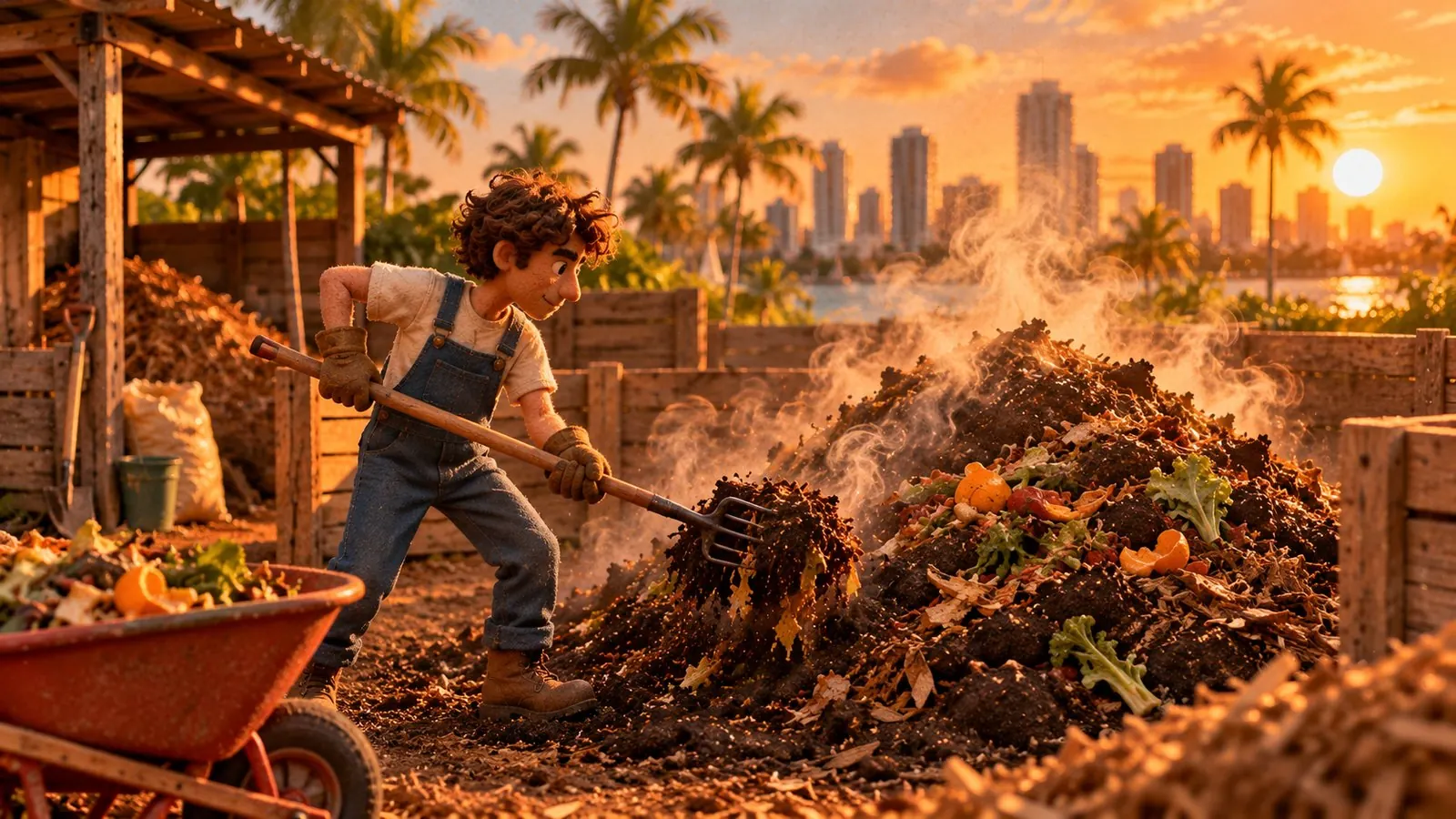
A good compost pile runs hot enough to steam on a cool morning. Here is where the heat comes from, why 131 F matters, and how hot composting turns scraps into safe soil.
-
 For farmers
How to Read a Compost Lab Report
A compost lab report looks like a wall of numbers. Six lines tell you almost everything. Here is how to read them before a yard of anything hits your field.